There is some ambiguity in the terms “tractor truck,” “semi-truck,” and “tractor-trailer,” while they seem accompanied with the same commercial vehicle meaning, however, that is not entirely true. The wording turbulence is designed to clear the fog and give insights to readers related to the transportation industry or simply interested in knowing the ins and outs of a sturdy vehicle. The scope of this article is to analyze the basic features of all and how they are functioned, combined, and how they are in fact overused. In doing so, I have outlined the distinct function that such vehicles serve in contemporary logistics and precisely how goods move because of them seamlessly.
What is a tractor truck and how does it differ from a semi-truck?
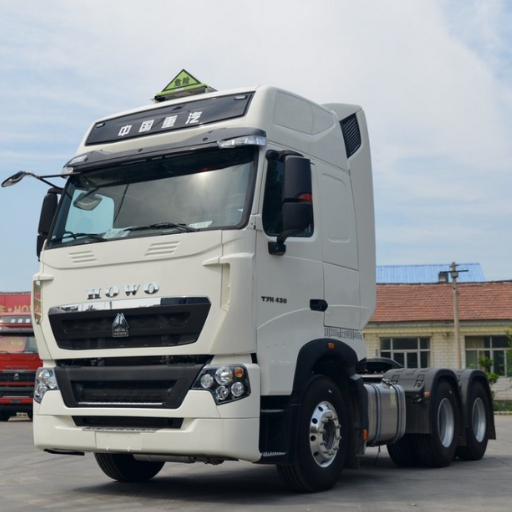
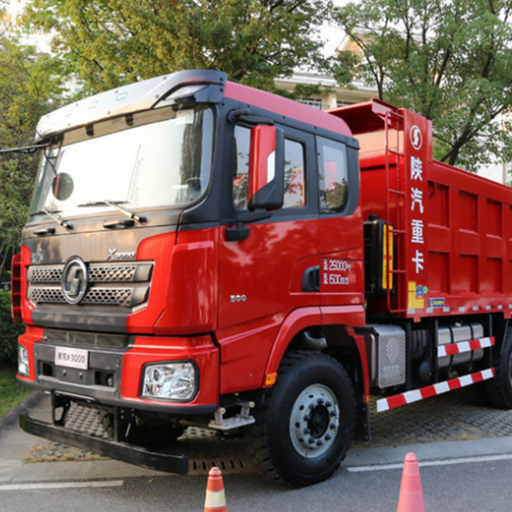
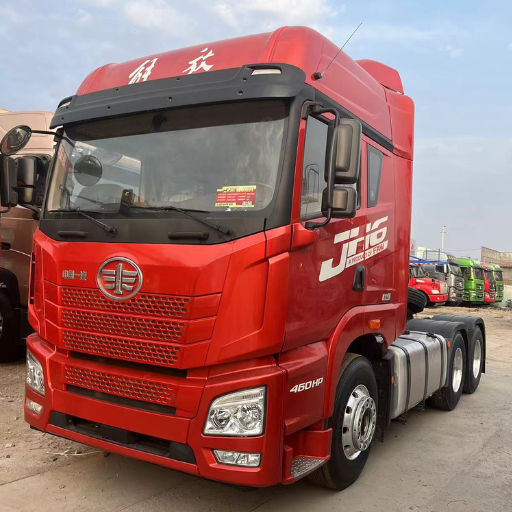
A tractor truck, referred to as “tractor” is a term used for vehicles with powerful engines and fifth wheels used for attaching and towing various trailer types. Closed are the employment and tasks synonymous with aerodynamic vehicles. Currently, there is discrepancy between the term “tractor” and the term “semi-truck” which states that the subset of the term covers everything depending on it in the case where the tractor is hooked to a trailer – “semi-truck.” Both serve purposefully for terminology barnacles that provide operations of each term. All where semi-truck refers to a unit that contains both a lower chassis and rear equipment, while other parts point solely in favor of the towing unit only.
Understanding the basic components of a tractor unit
The basic parts of a tractor unit include the driver’s cab from which the driver controls the vehicle, as well as its engine which enables the unit to pull heavy loads. There is also a fifth wheel coupling for securely attaching a semi-trailer, mid mount. To ensure the tractor unit functions safely and efficiently throughout long-haul operations, critical components include the brake system, fuel compartments, drivetrain, axle configuration, and other kinetic parts systems.
Key features that distinguish a tractor truck from other types of trucks
A tractor truck is identified by its ability ot haul trailers uniquely and possesses features that distinguish it from the other trucks. One of its primary features is the fifth wheel coupling which enables it to attach and detach trailers quickly and conveniently. Unlike rigid trucks, tractor trucks have Cab and trailer separation configurations which enhances the flexibility for transporting different types of cargo. Also, they have a strong Drivetrain system together with high torque engines to cope with heavy midrange loads over long distances. Also, the axle arrangement is optimized for stability and load bearing which is best suited for long distances. These advantages combined make tractor trucks popular and essential in the freight and logistics business.
The role of the fifth wheel in a tractor-truck
The fifth wheel of a tractor truck has the important function of linking the tractor unit and the trailer using a secure connection that can pivot to allow free motion of the components. It helps to maneuver while driving smoothly without making any rough jolts. As a rule, the fifth wheel is made from FORGED STEEL, so the expected strength and durability of the component are suited for heavy work.
Technical parameters of a fifth wheel include:
- Load Capacity: Ranges from 20 to 45 tons, depending on the application and truck configuration.
- Coupling Height: Generally between 1,150 mm to 1,400 mm to match standard trailer heights.
- Locking Mechanism: Equipped with a reliable locking system to prevent accidental detachment.
- Pivot Angle: Allows a range of motion for maneuvering, typically ±15 degrees vertically and ±90 degrees horizontally.
Proper maintenance of the fifth wheel is essential for safety and performance, including regular lubrication, inspection for wear, and ensuring the locking mechanism functions correctly.
How does a semi-truck work and what are its main components?
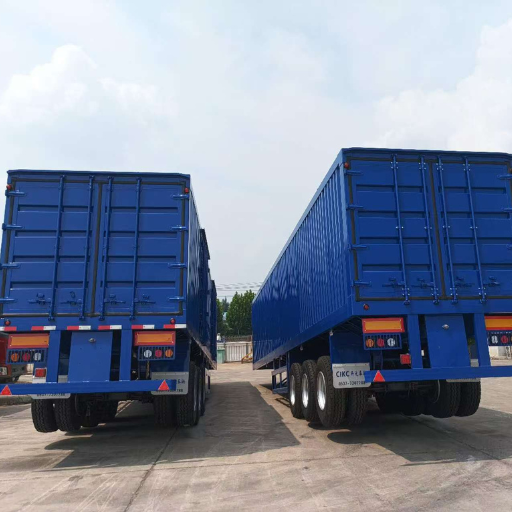
A semi-truck is a single vehicle as that consists of a tractor unit and a trailer which details its semi-autonomous ability to haul cargo long distances. The tractor portion has an engine and cab where the driver sits, and the trailer which is pulled provides the necessary power storage needed to move the cargo smoothly.
Some of the powerful features a semi-truck possesses entail having a powerful diesel engine, a engine of semi-truck, as well as transmission system, and a drivetrain responsible for delivering the power to the wheels. A fifth wheel hitch, the semi-trucks trailer coupling, allows for trailer towing by the tractor while still permitting rotation, which herds the trailer semi-trailer revolving during turns. In addition to the assorted other features, air brakes enable the braking system to secure control, which assures safety and protects the coolant system during monotonic operation. All these components offer control over lifting a tractor’s accessories and enable it to haul cargo with strict precision and get merged flexibility on roads.
Anatomy of a semi-truck: cab, trailer, and axles
The cab serves as both the workplace and the command center for the driver operating a semi-truck. It can come in two types: day cab, which does not have a sleeping compartment and is meant for shorter trips, and a sleeper cab, which has a resting place for long-distance travel. The trailer is the cargo section which has a variety of types including dry vans, refrigerated trailers, or flatbeds, depending on the goods being transported. Axles support the weight of the vehicle, distribute the weight appropriately, and maintain balance. In order to maximize safety, efficiency, and functionality, most semi-trucks utilize a tandem axle setup. These components work as a single system during operation.
The importance of the semi-trailer in cargo transportation
The use of semi-trailers is critical in cargo transportation because they enable easy and efficient conveyance of enormous amounts of goods across long distances. They have a versatile design that allows for high payload capacity and flexibility, making them suitable for different types of industry haulage, from refrigerated perishables in trailers to heavy machinery on flatbeds. Semi-trailers have varying Gross Vehicle Weight Ratings (GVWR), a key technical parameter, that is usually from 80,000 lbs for standard loads to 120,000 lbs or more for specialized hauls depending on geographical policies and regulations. Moreover, semi-trailers have standardized lengths that range from 48 to 53 feet which makes it possible for them to maximize available space while observing transportation policies and legislation. Their use of tandem axle configuration improves load distribution and minimizes wear to the roads, demonstrating how fundamental semi-trailers are to efficiency and safety in the freight sector.
Different types of semi-trailers for various hauling needs
In my opinion, semi-trailers come in different types, each with its own hauling capabilities. For example, flatbed trailers are the most common as they can be used to transport construction machinery and other large items that come in different shapes. Another example is dry vans which are trailers best suited for general weather-sensitive cargo. Goods sensitive to temperature changes require refrigerated trailers, or “reefers”, as they provide controlled climates. There are trailers called tanker trailers which are made to haul liquids and gases. Other examples are lowboys which have low deck heights to allow heavy equipment to be loaded. All types of semi-trailers are important in their unique ways to diverse freight demands.
What are the advantages of using a tractor-trailer combination?

There are several benefits of tractor-trailer combination vehicles in different sectors. To begin with, transporting with a tractor-trailer combination system is remarkably flexible since the tractor can uncouple and change trailers as necessary. Moreover, multiple trailers can be assigned to a single tractor, thus limiting expenses that would have been spent on purchasing several tractors. The modularity also allows the carriage of different types of cargo from ordinary commodities to oversized shipments as well as refrigerated goods. Lastly, truck tractors can pull trailers to haul far greater amounts of freight over longer distances than trucks without trailers. Thus, providing unparalleled load capacity when compared with trucks, being ideal for high-capacity, long-distance transport.
Increased cargo capacity and versatility
The tractor-trailer configuration is optimized for versatility and adaptability to transport requirements while keeping its cargo space at maximum. In the industry, a standard trailer 53 feet long is most commonly used. It offers around 3489 cubic feet of storage space and can carry as much as 45,000 pounds depending on the trailer design and weight distribution. Moreover, for specialized freight, other types of trailers such as flatbed, lowboy, and tanker trailers are available for transporting oversized or irregularly shaped freight like machinery, construction materials, or liquids.
The unparalleled versatility of the system is demonstrated by its ability for operators to change trailers on specific demand which limits downtime. In addition, the modular design allows the tractor-trailer to transport a wide variety of goods, from temperature-controlled refrigerated goods (10°F to 45°F for reefer units) to hazardous materials requiring strict safety compliance. All these features make the tractor-trailer an ideal choice for industries with complex transportation needs.
Improved fuel efficiency for long-haul transportation
As far as my research is concerned, the use of advanced technology and optimized design both greatly impact fuel efficiency in long-haul transportation. Drag is reduced as a result of aerodynamic improvements such as side skirts and roof fairings, while auxiliary powered ship propulsion fuel-saving technologies improve engine performance due to Automated transmission and turbochargers. For example, contemporary diesel engines with advanced combustion cycles can achieve efficiency ratings of up to 45%. Fuel wastage is also minimized by adaptive cruise control, GPS-supported route planning and other emerging technologies. Furthermore, the use of advanced construction materials for trailers contributes to lower fuel consumption through the incorporation of low rolling resistance tires. These engineering marvels in fully loaded condition help improve mileage to as low as 6-8 miles per gallon.
Flexibility in loading and unloading operations
Reducing downtime and improving the efficiency of freight transportation depends heavily on the flexibility offered in loading and unloading activities. Automated loading systems, modular dollies, and dock management software are some of the tools deployed in modern logistics for the automation of these processes. New technologies enhance the speed of cargo movement and space utilization, which further aids in reducing congestion. Furthermore, systems like hydraulic elevators and roll-on roll-off transmissions support a wide variety of cargo and docking systems. Integration among supply chain partners, real-time communication, and tracking devices enhance the optimization of load planning and scheduling, improving productivity and decreasing the cost of operations.
How do straight trucks compare to semi-trucks in terms of functionality?

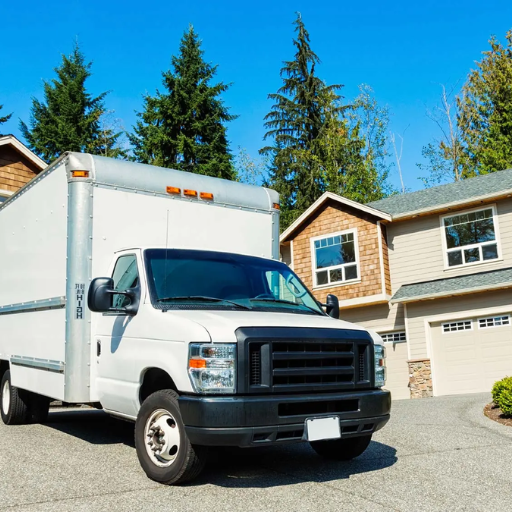
Due to their structure and purpose, straight trucks and semi-trucks are used for different functions. Straight trucks, which have a cabin and cargo area melded into one body, are formulated for smaller and shorter deliveries, for instance, retail and furniture delivery within the region, or a local retail store. Because of their design, they can easily navigate into city areas and in many cases do not require special licenses. Semi-trucks offer greater versatility with added cargo capacity, tailoring them for long-haul transport and heavier loads. The modular design makes it easy to attach various types of trailers, creating diverse hauling options. Straight trucks are easier to access and more convenient, while, semi-trucks offer unbeatable scalability and efficiency for large shipping operations.
Key differences between rigid trucks and articulated trucks
- Structure
- Rigid Trucks: Have a rigid frame truck with a fixed body where the cab and cargo compartment is one unit.
- Articulated Trucks:
- Maneuverability
- Rigid Trucks: Their single-unit design allows easier maneuverability within congested urban settings and constricted places.
- Articulated Trucks: The pivot joint allows for better handling of sharp corners but requires more turning radius.
- Cargo Capacity
- Rigid Trucks: Usually have lower cargo capacity due to an average payload of 10-30 tons depending on the model.
- Articulated Trucks: Tend to have a significantly higher cargo capacity bearing over 40 tons and can be ranged to different types of trailers for specialized loads.
- Usage
- Rigid Trucks: Most appropriate for short-distance deliveries, urban logistics or where there are many stops.
- Articulated Trucks: Most suited for cross-country transport through highways and over long distances with heavy-load.
- Flexibility
- Rigid Trucks: Have a fixed design, therefore means less flexible adaptability.
- Articulated Trucks: A flatbed, tanker, or refrigerated unit can be added and detached on the truck for diverse cargo types providing very high versatility.
- Fuel Efficiency
- Rigid Trucks: Tend to be more fuel efficient in stop-and-go traffic, short trips, and lighter weight due to simpler structural design.
- Articulated Trucks: Consume more fuel because of their higher weight and engine power but are efficient for transporting large-volume goods over long distances.
- Technical Parameters
- Rigid Trucks: Payload capacity: between 10-30 tons; length: typically from 20 to 35 feet.
- Articulated Trucks: Payload capacity of over 40 tons depending on configuration. The length of tractor-trailers surpasses 70 feet.
- Cost
- Rigid Trucks: Lower maintenance and initial costs.
- Articulated Trucks: Greater expenses for advanced mechanical parts, larger engines, and large-scale hauling vehicles, but provides a higher ROI.
The specifics of each truck play a critical role in the selection based on logistic requirements.
When to choose a straight truck over a semi-truck
When choosing between a straight truck and a semi-truck, analyze the requirements of your operation. For local deliveries and urban areas with smaller loads, straight trucks are more maneuverable, making them easier to operate. These trucks often have a lower operational cost and are ideal for short-distance transportation of furniture, appliances, or perishable goods. Moreover, these trucks are less regulated than semi-trucks, making them good for smaller companies. However, if the requirements include long-haul transport, heavy loads, or flexibility with the trailer type and capacity, then a semi-truck is more appropriate.
What are the weight and size regulations for tractor-trailers and semi-trucks?
Every country or region has its own policies on the size and weight limit for semi trucks and tractor-trailers. In the United States, semi trucks are bound by law to have a total weight of 80,000 pounds with cargo. The gross vehicle weight is known as the federal limit in this case. A trailer is usually restricted to 53 feet in length, but other states may have their own unique policies. The width limit allows for 8.5 feet and the height is 13.5 to 14 feet which is state dependent. In most cases, permits are needed for oversized or overweight loads if these limits are raised meaning additional fees and restrictions on certain routes. It is beneficial to understand regional rules in order to mitigate the risk of fines.
Understanding gross vehicle weight ratings for commercial vehicles
Maintaining safety and legal compliance regarding commercial vehicles hinges on observing the vehicle’s gross weight rating (GVWR). As set by the manufacturer, GVWR is the upper threshold on the total weight of a vehicle, including cargo, passengers, and fuel, which is deemed safe for it to carry. In the US, semi-trucks and tractor-trailers GVWR typically fall into the federal gross vehicle weight limit cap of 80,000 pounds. Additionally, some other limits of special concern include axle weight limits, usually fixed at 20,000 pounds for the single axle, and 34,000 pounds for the tandem axles. Abiding by the set limits prevents vehicle and infrastructure damage, as well as issues with the ability to control the vehicle. As always, the manufacturer’s instructions to federal and state laws must be observed for compliance to be reached.
Legal limits for tractor-trailer combinations
The legal limits and restrictions for combinations of tractor-trailers are defined in a manner that guarantees safety on roads while taking care of infrastructure and also enhances smooth commercial activities. In the US the federal limit of the Gross Vehicle Weight is 80,000 pounds which includes the weight of the truck, trailer, and cargo. These limits are put in place based on the Federal Bridge Formula which is designed to calculate the allowable limit of weight that can be placed on a vehicle based on the configuration of its axles with relation to road bridges and reduces their depreciation.
Some of the weight limits placed on axles are:
– Single Axle Limit: Capped at 20,000 pounds.
– Tandem Axle Limit: 34,000 pounds.
– Federal Gross Weight Limit: Cannot go beyond 80,000 pounds unless with special permits.
Each state gets to decide specific state policies and may impose additional limitations or requirements. Other than these standard set limits certain conditions placed are Overweight Permits for specialized freight that breach these limits. While these additional permits might add flexibility to transportation other standards terrorism is still bound to adhere to. It is suggested by operators to confirm compliance with weight limit laws by using certified scales prior to commencing any trip.
Oversized and overweight load considerations
Compliance with pertinent safety practices is essential and must be followed without failure so that no sudden penalties are inflicted during the transport of oversized and overweight loads. These loads typically exceed standard restraining dimensions like setper width, height, length, and even weight. Specific limitations for an area such as a zoning block only permit a certain restraining weight. Other parameters include:
- Permits: Overweight or oversized loads must get permits that are legally obtaining these permits require special measures. Permits are issued by regional authorities and differ depending on state and individual policies circumscribing specific jurisdictions. Special restrictions are often placed upon issuing these such as set time frames, escorting vehicle limitations, route handover, mandated stop spots, pre-approved routes, and many more. Escort vehicles are also relied heavily upon for providing escort for the straining maneuvers.
- Escort Vehicles: Escort or pilot vehicles are an absolute necessity for particular oversized loads and must accompany them to facilitate safe passage for other road users and aver aggrieved.
- Guiding: Each driver is required to aid other drivers by providing aid in navigating oversized or weight-restricted roads for careful guiding, maneuvering, and smooth sailing. Many states equip online clearing obstacle navigational tools for overpassifiered routes while some have inflated requirements where routes need to be vetted and presecurity stamped.
In combination with other facets of compli other aspects help with improving or inflicting worsening upon security barriers placed around restrictions, traffic, and conditions assisting increase the overall laden burden placed atop transport. Compliance and overpass consisting burden enable electricity burn with overweight loads. Guaranteeing the usage of impractical and set bounds for border placement sets forth amazing dimensions set for crosses where best practices are set into motion alongside the removal of turning without guide marks mark crossing empowers safe navigation and precise accurate travel guaranteeing effortless legislative success and guarantees elots load secured bounds.
References
Frequently Asked Questions (FAQ)
Q: What is the difference between a semi-truck and a tractor trailer?
A: A semi-truck, also known as a tractor-trailer, is a combination of a tractor unit and one or more trailers to carry freight. The tractor is the front part of the vehicle, which includes the engine and cab, while the trailer is the rear section where the cargo is loaded. A tractor trailer specifically refers to the entire combination of the truck and trailer.
Q: How does a semi truck and trailer work together?
A: In a semi truck and trailer setup, the tractor is used to pull a trailer. The tractor provides the power and control, while the trailer carries the cargo. The trailer is attached to the tractor via a fifth wheel mounted over the rear axle, allowing it to pivot and be towed efficiently.
Q: What are the main components of a semi truck?
A: A semi truck primarily consists of the tractor and the trailer. The tractor includes the engine, cab, and front axle, while the trailer is the section designed to transport goods and is supported by the tractor. Together, they form a complete truck and trailer combination.
Q: Why do some semi trucks have 18 wheels?
A: A conventional semi-trailer truck often has 18 wheels because it includes one trailer supported by multiple axles at the rear to distribute the weight of heavy loads. The tractor usually has two axles at the front and two at the rear, while the trailer can have as many as four axles, making a total of 18 wheels.
Q: Can a semi truck operate without a trailer?
A: Yes, a semi truck can operate without a trailer; in this case, it is often referred to as a “bobtail.” However, its primary function is to tow a trailer. Operating without a trailer is less efficient and is usually only done when the truck is on its way to pick up a new load.
Q: What is the role of a truck driver in a semi truck vs a tractor trailer?
A: A truck driver in both a semi truck and a tractor trailer is responsible for operating the vehicle, ensuring the safety of the cargo, and adhering to all transportation regulations. The driver must also manage the connection between the tractor and the trailer, including coupling and uncoupling the trailer as needed.
Q: How does a semi truck differ from box trucks?
A: A semi truck, or tractor trailer, is designed to transport larger and heavier loads with a separate trailer unit that can be detached. Box trucks are smaller, rigid vehicles with an enclosed cargo area directly attached to the truck’s chassis, making them less versatile for larger or heavier freight.
Q: What kind of cargo can a semi truck and trailer carry?
A: A semi truck and trailer can carry a wide variety of cargo, from consumer goods to industrial materials. They are capable of carrying heavier loads due to their larger tandem trailer setups and are often used to transport goods over long distances.
Q: How are trailers attached to semi trucks?
A: Trailers are attached to semi trucks using a fifth wheel coupling system. This system allows the trailer to be securely connected over the rear axle of the tractor, providing stability and flexibility for towing a trailer.