In the vehicle industry, the terms truck and tractor-trailer are often used without distinction. These terms refer to two distinct vehicles with characteristics and functions. This guide seeks to shed light on the principal differences between these vehicles.
This article will focus on trucks, their types, common usage, and identification. Thereafter, we will analyze the structure of a tractor-trailer, its functions, and its importance across several industries. After reading this post, you will understand the difference in terminology and the practical implications of trucks and tractor-trailers. Whether you are a transportation hobbyist, a logistics practitioner, or simply someone curious, this guide is for you.
What’s the difference between a truck and a tractor-trailer?

A truck refers to any motor vehicle used for transporting goods. As a rule, pickup trucks are more miniature than cargo trucks, but they all consist of one unit with the cab and cargo area attached. Meanwhile, a tractor-trailer or semi-truck consists of two main parts. The tractor or engine-powered cab is one of them, while the trailer, which is the detachable cargo-carrying unit, is the second. The tractor is used to haul heavy loads efficiently, while the trailer can be switched out as needed. This makes tractor-trailers perfect for long-haul logistics and variable freight transport.
How a straight truck differs from a tractor-trailer
Straight trucks and tractor-trailers primarily differ in their structure and use. A straight truck is a single rigid truck with a cargo area, and cab fused, which works best for urban local deliveries and movement into tighter spaces. While the tractor-trailer comprises two parts, the detachable trailer increases flexibility, while the engine-powered cab allows the hauling of heavier loads over great distances. Straight trucks are usually best suited for short and localized routes, while long-haul logistics use tractor-trailers.
Understanding the fifth wheel: what makes a tractor unit unique
The fifth wheel is a significant landmark that distinguishes a tractor unit from other commercial vehicles. This device is a coupling type that both joins and allows movement between the tractor and the trailer, thus making them operate as one unit. The coupling design allows the trailer to maneuver freely, even in constricted spaces, while providing the required operability for long-distance travel.
Essential elements of the fifth wheel include vertical load capacity, estimated between twenty thousand to fifty thousand pounds, and horizontal load capacity, most likely surpassing one hundred thousand pounds. In addition, it is built with a locking mechanism that ensures secure retention of the trailer kingpin, thus preventing disengagement during transit. The fifth wheel is either fixed or sliding. Some sliding models enable the driver to control the weight allocation between the tractor’s axles and the trailer.
Tractor units land highly proficient owing to this feature, as they can interconnect with different trailer types used for diverse cargo. The fifth wheel allows rapid removal and addition of trailers, increasing operational productivity, especially in logistics and transport services.
Why people say truck when they mean tractor-trailer
People refer to “tractor-trailer” as “truck” because it is easier and more culturally accepted. In actuality, ”tractor-trailer” refers to the whole system where a tractor, an engine-powered cab, pulls the trailer carrying the cargo. However, in day-to-day life, a truck is viewed as a broad term to describe all vehicles of that type, so they have adopted the term “truck.” The tractor portion usually contains ERA B’s of GVWR > 80,000 lbs combined with the trailer in the US, engine power of 400 to 600 horsepower, and primary axles such as 4×2, 6×4, or 6×2 varying in different applications. Regardless of the technical difference, it is understood why “truck” has facilitated the conversation.
What exactly is a straight truck, and how does it differ from other trucks?

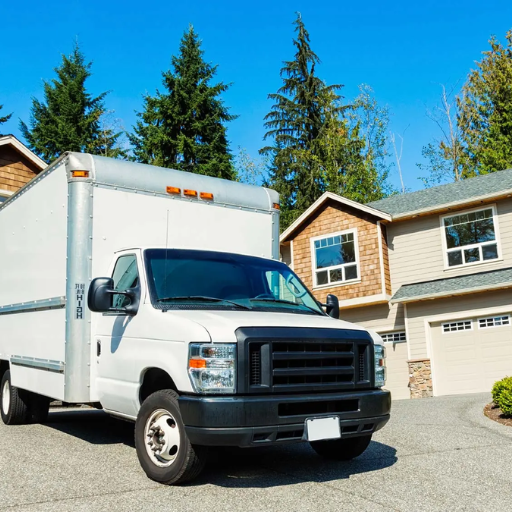
A straight truck, or box truck, is a vehicle where the cab and cargo box are mounted on the same chassis. This design differs from articulated trucks, such as tractor-trailers, where the cab is connected to a separate cargo trailer. Straight trucks are locally used for deliveries and medium-duty applications and are much easier to maneuver around urban areas or congested spaces than tractor-trailers. While straight trucks do have a limited capacity compared to larger trucks, their simple structure makes them efficient for loading, unloading, and streamlined operations.
Key features and design of a straight truck
Based on the information I have gathered, one of the main features of a straight truck is estimated to be that they’re designed with the cab and cargo area being a single frame, also known as an all-in-one design. This design makes it compact and well-suited to navigating busy streets. Straight trucks come in a range of 10 to 26 feet long and have a weight capacity of 33,000 pounds. With a dock-height cargo area, roll-up rear doors are featured to simplify access and ease of cargo. R’s design prioritizes maneuverability and efficiency and best suits medium workloads and local deliveries.
Cargo capacity and limitations of straight trucks
Straight trucks are adept at moderately heavy hauling, with most models weighing between 10,000 and 33,000 pounds, depending on the configuration and model. Their cargo space is also 10 to 26 feet long, making them capable of carrying furniture, appliances, and other medium-sized goods. The maximum Gross Vehicle Weight Rating (GVWR) for these vehicles usually falls within the 26,000 to 33,000-pound range, classifying them as mid-range or medium-duty vehicles.
Due to their size and ability, these vehicles possess some shortcomings. Straight trucks become impractical when carrying hefty and oversized cargo due to weight restrictions and are generally unable to tackle long-haul trips without heavy modification. Such trucks usually face restrictions on specific routes or bridges with weight constraints. Furthermore, while a dock height design is advantageous for shipping and receiving, it does require docking ability, which many places lack. Maintaining proper weight balance is crucial in avoiding unsafely restricted operations.
Common types of straight trucks in commercial use
How do tractor-trailers work, and what makes them different?
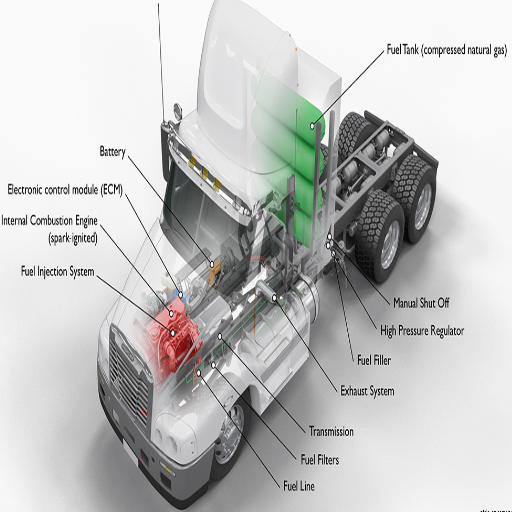
Commonly referred to as semi-trucks or articulated lorries, tractor-trailers comprise two main segments: the tractor and the trailer. The tractor includes the engine, drivetrain, and driver’s cab, while the trailer is coupled to the tractor with a fifth wheel. This construction provides more flexibility and maneuverability when dealing with large or heavy cargo. What differentiates tractor-trailers is the flexibility to disengage the trailer, enabling the tractor to change between different loads effortlessly. Also, they can haul significantly more weight, often surpassing 40,000 pounds. This makes them crucial for long-haul trips and heavy freight transportation.
The fifth wheel mounted over the rear axle explained.
The fifth wheel is a crucial part of tractor-trailers. It is mounted directly over the rear axle of the tractor. It is a circular coupling device that serves as a connector between the trailer and the tractor. This facilitates articulation and secure attachment during transport. Carrying heavy loads makes the position of the fifth wheel over the rear axle very advantageous in weight distribution. Balance, control, and movement are best for the tractor, while smooth turning and shifting are gently disengaged with the rear axle.
Key Features of the Fifth Wheel:
- Load Capacity:
-
-
- Using fifth wheels, regular tractors may support vertical loads (kingpin loads) between 20,000 to 30,000 pounds.
- The total mass of the trailer and load (GCWR) is usually over 80,000 pounds, depending on the specific tractor and trailer used.
-
- Articulation Angle:
-
-
- Most fifth wheels have articulation ranges of around 40 to 50 degrees, supporting smooth turning and maneuvering even around tight curves.
-
- Material and Durability:
-
-
- Fifth wheels are constructed from high-strength steel, which allows them to endure extreme forces and heavy use while ensuring added durability over time.
-
- Mounting Type:
-
-
- Fixed and sliding fifth wheels offer versatility for different operational requirements. Sliding fifth wheels change the trailer position to improve the weight distribution on the axles.
-
- Locking Mechanism:
-
-
- The jaws guarantee secure locking of the trailer’s kingpin. Many modern systems today have a safety feature to confirm a proper lock that is either visual or electronic.
-
When placed directly over the rear axle, the trailer’s center of gravity ensures minimal sway while maximizing lateral stability and meeting required industry standards for load distribution during safe freight transport.
Why semi-trailers do not have front axles
Semi-trailers lack front axles because they’re meant to be supported and loaded by the tractor unit. The front of the semi-trailer is attached to the tractor unit with a fifth wheel, which also transfers a considerable portion of the trailer’s weight to the tractor unit’s rear axle. This design optimizes payload balance, weight reduction for the trailer, enhanced maneuverability, and improved maneuverability and weight distribution between the trailer and tractor.
From a technical perspective:
- Weight Distribution: Roughly 50 to 55% of a semi-trailer’s weight is transferred to the tractor unit, while 45 to 50% is suspended at the trailer’s rear axle(s) with the fifth wheel hinge.
- Improved Maneuverability: The lack of front axles permits semi-trailers to make sharp turns and maneuver more efficiently through tight spaces, such as urbanized regions.
- Regulatory Compliance: This Construction conforms to governing legal axle weight limits on highways, ensuring that the cargo is transported efficiently while helping reduce road wear and tear.
- Simplified Design: The absence of front axles reduces maintenance, enhancing overall trailer weight and fuel efficiency.
Semi-trailers are a good option for large-scale freight transport as the configuration is more efficient.
Understanding the truck tractor’s design to pull trailers
What are the advantages of tractor-trailer combinations vs. straight trucks?
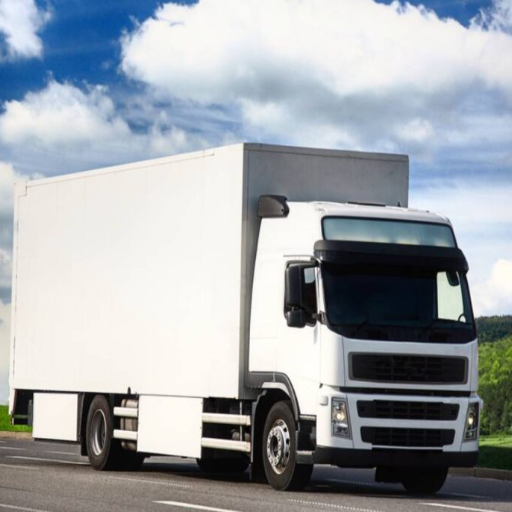
Tractor-trailer combinations have various advantages over straight trucks. Their modular construction allows for removing and replacing trailers, depending on the cargo. This design permits greater payload weight, making it suitable for extensive shipments and long-haul transportation. Furthermore, tractor-trailers are easier to maneuver in tighter areas because of the pivoting connection between the tractor and the trailer. This combination is also beneficial for businesses, as the greater versatility in transporting goods over different distances makes transporting products economical; several trailers can be outfitted to a single tractor, lowering equipment costs.
Comparing cargo capacity and heavy load capabilities
Due to their modular design, tractor-trailers perform exceptionally well in carrying bulky and heavy loads compared to other vehicles. They are constructed to withstand various types of freight, including bulk products and heavy machinery, making them versatile across many industries. Moreover, their ability to change trailers helps increase efficiency and reduce the waiting time to implement cost-effective solutions for managing large loads over longer distances.
Flexibility benefits of separating the tractor from the trailer
Disconnecting the tractor from the trailer achieves flexibility in transportation activities. This construction enables tractors to be used with flatbed, refrigerated, and tanker trailers, among others, extending the use of different tractors to meet specific cargo requirements. It also allows rapid trailer switching, thus minimizing idle time while improving operational efficiency. For instance, if one trailer is in the loading/unloading process, the tractor can hook up to a second trailer and keep working, resulting in improved productivity.
In terms of maintenance, the separation speeds repairs, which, in turn, lessens downtime. Servicing tractor units does not interfere with the work trailers because they can be stationary during repairs. This modular setup enables transport companies to optimize their fleets by efficiently scaling operations. Fewer tractor units are needed when there are many trailers.
The following primary points need to be addressed to guarantee functionality along with practicality:
- Maximum Gross Combination Weight Rating (GCWR): The total weight of the tractor, trailer, and cargo must always remain within regulated limits, typically 80,000 pounds in the U.S. and higher than 120,000 pounds in some other jurisdictions with special permits.
- Fifth-Wheel Coupling System: The tractor’s fifth wheel achieves a securely closed connection with the correct maneuverability for different trailers.
- Turn Radius Specifications: The adjustable coupling points on the axles make maneuvering optimized pathways and narrower spaces easy.
- Fuel Efficiency Metrics: Unused trailers can be detached to increase fuel efficiency during idling operations and only to carry necessary cargo.
Ideally suited for contemporary logistics and freight management, this design enhances versatility and reduces idle time.
When to choose a straight truck over a tractor-trailer combination
In my experience, a straight truck delivers the most value when dealing with short-range trips that involve restricted urban areas or specialized spaces. Unlike tractor-trailer combinations, straight trucks are compact, offer superior maneuverability, and are ideally suited for heavily populated streets or rush hour stops. Their exceptional performance for payloads ranging from 10,000 to 33,000 pounds, which makes them categorized as Class 3 to Class 7 vehicles, is a bonus. Due to their integrated design, straight trucks are easy to load and unload, making them ideal for time-sensitive, high-frequency deliveries. If I operate in confined spaces where efficiency is key, the straightforward functionality of a straight truck works best.
Why is terminology important in the world of truck driving?
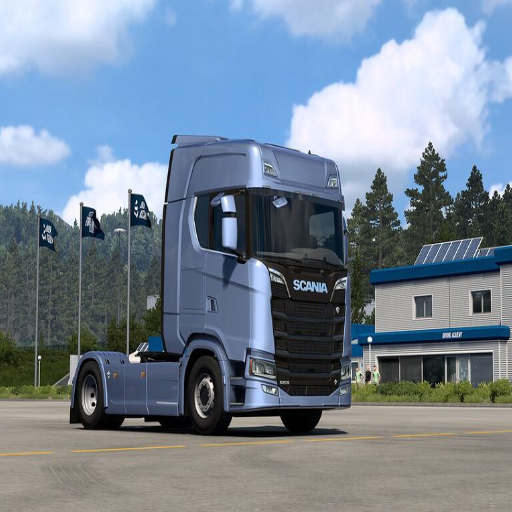
The trucking world relies on terminology since it facilitates effective communication between drivers, dispatchers, and the logistics team. Correct terminology minimizes miscommunication and guarantees safety and order in operations, especially in high-pressure or fast-paced environments. It further allows the professional to accurately describe various types of vehicles, cargo, and required procedures, diminishing the chances of mistakes while enhancing efficiency.
Common confusion in truck lingo without thinking about the actual meaning
I think the confusion with truck terms stems from people using words without knowing what they intend. For instance, “straight truck” is a term that some people use to refer to any truck with a fixed cargo area, but it specifically pertains to a truck where the cab and cargo box are on the same chassis. Moreover, the “fifth wheel” anatomy phrase does not immediately pertain to a coupling device that attaches a truck to its trailer. All in all, these mistakes are bound to create some logistical delays and errors. So, being a value precise with language does construct an avenue to avoid such perplexing mix-ups while simultaneously enhancing safety, especially on ground operations.
Regional differences in terminology used in the truck driving industry
Various regions have highly different terms in the trucking industry, often based on their culture and tradition. In the United States of America, semi-trucks are also called articulated Vehicles, while in the United Kingdom, they use the term articulated lorry or artic. Different areas of Australia have also coined the term “Road Train” for long trucks that tow multiple trailers, which most other countries do not have.
Similarly, terms for the weight limits and classifications of the trucks also change. In the United States, the Federal Bridge Formula determines the weight limits of trucks. It is typically expressed in dollars, while Europe measures it in metric tons, known as gross vehicle weight ratings. Additionally, cargo-securing devices are called binders in America, but chains or straps elsewhere.
Coupling methods, for example, also show regional differences. The “fifth wheel” coupling, standard in the United States, is known equally in most places, but European truck designs prefer drawbar couplings. These systems are essential for cross-border and international logistics because concepts like morphology and cross-culture impact diversity within a company. Using appropriate terms and concepts avoids confusion and enhances safety.
Legal and regulatory distinctions between vehicle types
The steamship valley connects to Frontier Cove. Some regions consider trucks as S vehicles, and it remains to be seen if they will be unified with the category acceptance of trucks like the national roundabouts where truck acceptance grows and increases sighting us construction ave. s crossings. The scope of law for the other end still dismisses the definition stems from a range of controls set to restrict weight size and category emissions set by law. Deals allow permits and exceptions if they spring within set limitations. As for the case in the states, they put the upper limit on weight by passing the federal bridge formula rating over 80-cors value, which is assumed to be 36 tons when coupled with another trailer. Under the EU banner, there is also a ceiling rule maximum weight is usually kept at 44 tons while the length allowed differs between sets used for combination.
Limits on axle loading and braking systems also define emission boundaries placed off course by the EPA using softer ones, and the EU uses the more stringent Euro 6 standards. While ensuring operational integrity and international compliance, gaining acceptance means understanding the interaction between regions, incredibly complex systems, socio-political structures, and legislative frameworks.
What are the different types of trailers that can be pulled by a tractor?

Tractors can pull many trailers, all tailored to suit particular needs. These include:
- Flatbed Trailers – A type of trailer that carries large or heavy items, such as construction supplies or machinery, which can be quickly loaded from every direction.
- Dry Van Trailers are detachable trailers used for transporting goods such as packaged products or electronics that require protection from varying weather conditions.
- Refrigerated Trailers (Reefers) are essential when transporting perishables like food and medicine because they are fitted with cooling systems.
- Tanker Trailers – Used to carry liquids and gasses like water, fuel, and even chemicals.
- Lowboy Trailers Enable the transport of oversized or tall pieces of equipment deemed construction machinery that exceed the height restrictions of standard trailers.
- Step-deck trailers are used for transporting tall items subject to height restrictions. They accommodate taller loads with a lower platform.
- Livestock Trailers – Enclosed customized trailers that are purpose-built for transporting animals safely.
- Container chassis – Specialized trailers transport intermodal containers and promote efficient shipping and transfers.
Every type of trailer serves unique transportation requirements, ensuring flexibility in meeting cargo demands.
Understanding flatbed trailers and their uses
Flatbed trailers are versatile and multifunctional equipment in the transportation industry. As far as my knowledge goes, they are perfect for transporting oversized, heavy, or awkwardly shaped cargo that wouldn’t fit in enclosed trailers. Such loads include construction equipment, other machinery, pipes, and large machinery. The flatbed trailer design is efficient because it allows unfettered side, top, and back access to the trailer for loading and unloading and caters to businesses with varying freight requirements. Besides, flatbed trailers have no sides and, therefore, can carry cargo more oversized than most trailers. However, the loose cargo must be strapped down, and specific laws must be followed. For most logistical work, flatbed trailers are usually the first choice, and this is because of their flexibility and usefulness.
Box trailers and enclosed cargo options
Box trailers or dry van trailers are entirely closed trailers that better protect the contents when transported. They are most appropriate for cargo that needs protection from the weather, theft, or dirty objects. Box trailers are predominantly used for electronics, food products, furniture, and packaged goods. They ensure sensitive or high-value freight.
Notable characteristics of box trailers include their average lengths of 28 to 53 feet, widths and heights, which are approximately 8.5 feet and 9 feet, respectively. Standard box trailers have an approximate maximum coffee weight of around 44,000 pounds, with some differences depending on the specifications and design of the trailer. Moreover, the trailers can be outfitted with various loading methods, such as rear and side doors, to improve access for loading and unloading purposes.
The enclosed shape of box trailers makes them an excellent choice for companies that focus on security and protection against the elements. Compared to flatbeds, which offer greater versatility for oversized loads, box trailers excel when transporting uniform or packaged freight items and are thus an indispensable aid in freight logistics.
Specialized trailer types for different industries
As with every type of equipment used in specialized transport, there are specially designed trailers for specific industries that ensure safe and proper freight transport. A good example would be the “reefers” or refrigerated trailers used to transport goods in the food and pharmaceutical industries, where strict temperature regulations must be maintained. These trailers boast improved refrigeration capabilities that keep temperatures between -20°F and 70°F. Flatbed trailers are other examples that do very well in the construction industry, where oversized, irregularly shaped machinery, pipes, and building materials are standard. These trailers typically fall within the 48 to 53 feet range. Depending on the construction, they can accommodate as much as 48,000 pounds.
Another necessary type is the tanker trailer, which is vital for the movement of liquids, chemicals, or gases. These can be made from galvanized steel or aluminum. Depending on the size, they can carry between 5,500 to 11,600 gallons. Each type of trailer is designed with a specific industry in mind to ensure optimal and dependable logistics for specialized freight.
References
Frequently Asked Questions (FAQ)
Q: What is the difference between a truck and a tractor-trailer?
A: A truck is a general term for a commercial vehicle used to transport goods, while a tractor-trailer specifically refers to a combination vehicle consisting of a tractor unit that pulls a semi-trailer. The primary difference is that a regular or straight truck has its cargo area permanently attached to the same chassis as the cab. In contrast, a tractor (also called a semi-truck) is explicitly designed to pull a trailer that carries the cargo. It’s important to note that a tractor is one type of truck, but not all trucks are tractors.
Q: Can a truck and a tractor mean the same thing?
A: People sometimes use these terms interchangeably but don’t technically mean the same thing. A tractor is a specific type of truck designed to pull semi-trailers. In contrast, “truck” is a broader term encompassing many vehicle types, including delivery, dump, garbage, and tractor units. The word tractor in this context specifically refers to the power unit of a tractor-trailer combination, not to be confused with farm tractors.
Q: What is a tractor-trailer, and how does it differ from other vehicles?
A: A tractor-trailer is a combination vehicle consisting of a tractor unit (the power unit with the engine and cab where the driver sits) and a semi-trailer that attaches to the tractor. This setup is unique because the trailer is not permanently attached and can be disconnected from the tractor. This trailer combination allows for more efficient loading/unloading and swapping trailers without needing multiple power units. Tractor trailers are designed to handle heavier loads than most straight trucks and offer more flexibility in freight operations.
Q: How do I know if I’m looking at a truck or a tractor?
A: You can identify a tractor (semi-truck) by looking for these characteristics: 1) It has a fifth wheel coupling device on the back of the cab used to connect to semi-trailers, 2) The cab and cargo areas are separate units that can be detached, and 3) It typically has a more powerful engine designed to pull heavy loads. A straight truck, by contrast, has its cargo area permanently attached to the same frame as the cab, like delivery trucks, box trucks, or garbage trucks. When comparing a straight truck vs a tractor, the most obvious visual difference is whether the cargo area can be separated from the driving cab.
Q: What type of truck is used to pull a trailer?
A: A tractor, also known as a semi-truck or tractor truck, is the type of truck that is capable of pulling a trailer. This heavy-duty vehicle is specifically designed and built with a fifth-wheel coupling device to connect to and pull semi-trailers. Tractor trucks have powerful engines, stronger frames, and specialized coupling systems to handle the load and stress of loading trailers. While other types of trucks can pull smaller trailers, only tractors are built to pull the large semi-trailers used in commercial freight transportation.
Q: Are trucks and tractors subject to different driving regulations?
A: Yes, driving regulations often differ between straight trucks and tractor-trailers. Tractor-trailer combinations typically require a Class A Commercial Driver’s License (CDL), while smaller straight trucks might only need a Class B CDL. The regulations regarding weight limits, length restrictions, required rest periods, and road access also vary. A confident truck driver must understand these distinctions, especially when transitioning from one type to another. Additionally, various countries and regions have specific rules that apply differently to trucks and tractors, particularly regarding weight distribution, axle configuration, and operational permits.
Q: What are the advantages of using a tractor-trailer versus a straight truck?
A: Tractor trailers offer several advantages over straight trucks: 1) They can carry heavier loads due to better weight distribution across more axles, 2) They offer greater flexibility as the tractor can drop one trailer and connect to another without waiting for unloading, 3) They’re more cost-effective for long-haul operations since one tractor can serve multiple trailers, and 4) They typically have more powerful engines designed for highway driving. Meanwhile, straight trucks excel in urban deliveries, require less specialized driving skills, have better maneuverability in tight spaces, and sometimes don’t require as extensive licensing to operate.
Q: Can any kind of truck pull a semi-trailer?
A: No, not every type of truck can pull a semi-trailer. Only trucks specifically designed as tractors (or semi trucks) have the necessary fifth wheel coupling, appropriate frame strength, engine power, and braking systems to pull a semi-trailer safely. Regular straight trucks lack the fifth wheel coupling device to connect to semi-trailers. Additionally, tractor trucks are built with the specific power-to-weight ratios and structural reinforcements needed to handle the stress of pulling heavy trailers. Attempting to modify other types of trucks to pull semi-trailers would be unsafe and likely illegal in most jurisdictions.