From reliability in Ironclad Assurance to narrowing down your options with helpful tips, we will cover everything about purchasing a used semi truck that you need to know. My goal is to help you confidently purchase by navigating the complexities of the market while also providing key details that guide your decisions. Contemplating your first decision as a seasoned trucking professional? No worries—this post is designed to give you the insights and guidance needed to keep your business on the right path.
What should I consider when buying a used tractor truck?
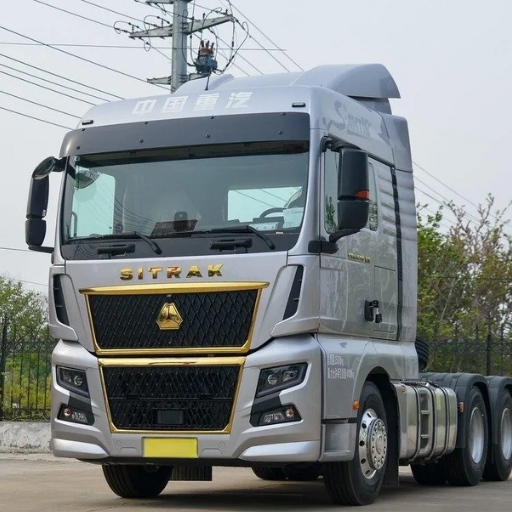
While buying a tractor truck, make sure you analyze the maintenance records thoroughly alongside the general condition of the truck. Examine how much wear and tear the truck has the engine performance, and components such as tires, brakes, and transmission. You want to make sure they are not worn out. Gauge the mileage and check whether the usage corresponds to the age of the truck. The region you operate also has regulations, so do check if emissions compliance and the regulations are satisfactory. Get pre purchase inspections done from mechanics you trust and do look into warranties like Ironclad Assurance, or trust programs, for additional peace of mind.
Understanding the difference between day cab and sleeper truck options
In looking to purchase a day cab or a sleeper truck, a decision must be made on which category best serves one’s needs while considering the particulars and details of the truck. Day cab trucks, as the name implies, have been fitted with the necessary features for short and local hauls, and thus do not include a sleeping compartment. because of that, these vehicles are more fuel-efficient. Moreover, they come compact, which allows for easier driving around urban areas and thus come at a lower cost. Depending on the configuration and chassis design, day cab trucks averagely contain a GVWR of anywhere between 33,000 – 80,000 pounds. On the other side of the spectrum, sleeper trucks are designed to support long haul operations, as they are loaded with a built in sleeping area and offer greater comfort as well as storage for drivers that need to be on the road for a long time. But in comparison to day cabs, sleeper trucks are not as fuel efficient. Like day cabs, sleeper trucks are outfitted with similar GVWRs but tend to carry extra weight because of the sleeper compartment, along with other conveniences. Depending on the model, these trucks come in various types: mid-size sleepers, which range from 36 – 48 inches, and full-size sleepers host over 72 inches. While choosing any of the two, take into account their operational range, driver comfort requirements, fuel consumption, and total expense. For local deliveries, day cabs are the most effective, while sleeper trucks are suited for long-haul logistics. Always evaluate your needs and demands to make sure you are getting the most out of your fleet.
Evaluating engine performance and fuel efficiency
While analyzing and optimizing the engine’s performance and calibrating the fuel consumption for trucks, multiple aspects must be analyzed and taken into consideration. First, estimate the engine’s fuel efficiency and torque to ensure it is adequate for your requirements, i.e., heavy long-haul trucking or easier local delivery. The more modern an engine is, the he more technologically advanced it is and thus the better the power-to-efficiency balance it provides. Second, as a priority consider operational fuel efficiency as an overhead-optimizing feature. Look for trucks that have streamlined shapes and engines with fuel-saving mechanisms like turbochargers or smaller displacement engines. Lastly, invest in CNG, electric-powered trucks, or other alternative fuels for long-term savings, sustainability, and environmental cleansers. Regardless, for the most optimal decision always check manufacturer data and real-life performance reviews.
Assessing the condition of chassis and suspension systems
To assess the condition of a chassis and suspension systems, I put my focus on wear or damage in the form of rust, cracks, and bends on the chassis components. Leaking shock squeezers and broken springs are some of the suspension issues I pay attention to, as well as uneven tread wear that suggests misalignment or worn-out parts. Reliable and safe systems for operation can be achieved through regular maintenance and professional inspections.
What are the key features to look for in a used tractor trailer?
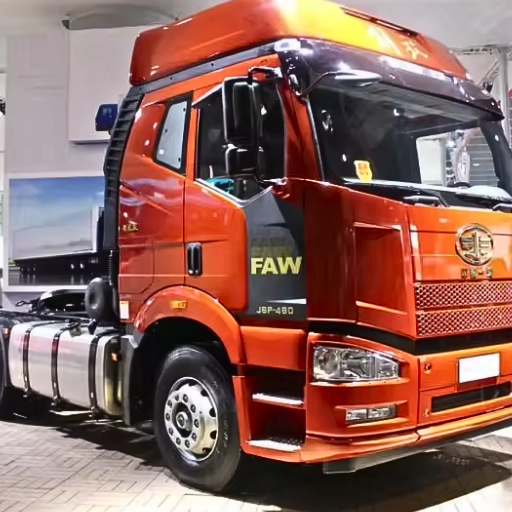
There are several key features that need careful consideration when evaluating a used tractor trailer such as:
- Engine Performance – Inspect the engine’s condition, maintenance history, and operational efficiency. Ensure there are no leaks, unusual noises, or excessive wear.
- The fuel cost – Take into account models known for better fuel economy, as this can significantly impact long-term operational costs.
- Chassis and Suspension – Look at the frame and suspension system for corrosion signs, cracks, and damage that could impact the vehicle’s safety and durability.
- Tires and Brakes – Examine the tires for pattern of wear and tread depth as well as the brake system for compliance with safety standards.
- Transmission and Drivetrain – Check the transmission and driveline assembly functions to determine positive engagement under different loading conditions.
- Readings – Assess the trailer body for rust and dents to determine if they caused damage due to neglect.
- Service accompaniments – Go through the service records, title, and documents to check the history and maintenance of the vehicle.
These careful screening will enhance features and ease decision-making while ensuring a good purchase.
Examining axle configurations and weight capacities
As to how I analyze the weight and axle configurations, my first worry is how the trailer in question will be utilized and whether it meets my requirements. From the perspective of controllable factors such as stability, weight distribution, and load capacity, it makes sense to classify trailers into single, tandem and triple axles. Single axles are best for lighter loads, tandem and triple are better for heavier loads because of smoother towing and greater weight capacity. One very critical factor is the GVWR (Gross Vehicle Weight Rating) which indicates the weight of the trailer and its entire cargo. For instance, a tandem axle trailer is estimated to have a GVWR within the range of 7,000 – 14,000 lbs, depending on the design and the manufacturer. Also important is the Axle Rating which is checked, starting from 3,500 lbs per axle for light trailers and up to over 10,000 lbs per heavy-duty trailers. Tailoring these specifications to my operational needs creates a different level of efficiency and safety when transporting the cargo.
Assessing transmission types and speeds
In choosing a transmission type for hauling, both automatic and manual options should be evaluated. The added control with manual gear shifts is advantageous for towing heavy loads and driving on steep grades. On the other hand, automatic transmissions have improved significantly with shifting, fuel economy, and overall providing convenience – that most people prefer over manual transmissions. Incorporate more transmission speeds to maximize performance and fuel efficiency. It is most pronounced in modern trucks which have 6, 8, and even 10-speed transmissions. They are termed to augment the power and efficiency of towing. Ensure that the transmission can endure the GVWR of the trailer and cargo being towed to prevent overheating and mechanical failure during operation.
Evaluating cab comfort and ergonomics
When evaluating cab comfort and ergonomics, consider the following factors to ensure a suitable and practical design:
- Seating Comfort
- Adjustable seats with lumbar support to reduce fatigue during long drives.
- Look for seats made of durable materials like cloth or leather, which balance comfort and longevity.
- Space and Layout
- Assess legroom and headroom to accommodate drivers of varying heights.
- Check for an organized dashboard layout that keeps controls within easy reach for safe operation.
- Climate Control
- Ensure the cab includes an effective heating, ventilation, and air conditioning (HVAC) system.
- Models with dual-zone climate control can provide customized comfort for driver and passengers.
- Visibility
- Large, adjustable mirrors and wide windshield designs improve situational awareness.
- Consider optional features like backup cameras and blind-spot monitoring for enhanced safety.
- Technology and Connectivity
- Look for infotainment systems with Bluetooth functionality, GPS navigation, and hands-free calling.
- USB ports and power adapters are key for keeping devices charged.
- Vibration and Noise Levels
- Choose models with soundproofing insulation to minimize road noise.
- Look for suspensions designed to reduce cab vibrations for a smoother ride.
These parameters address comfort, usability, and safety, ensuring an optimal driving experience.
How can I ensure I’m getting a reliable used commercial truck?
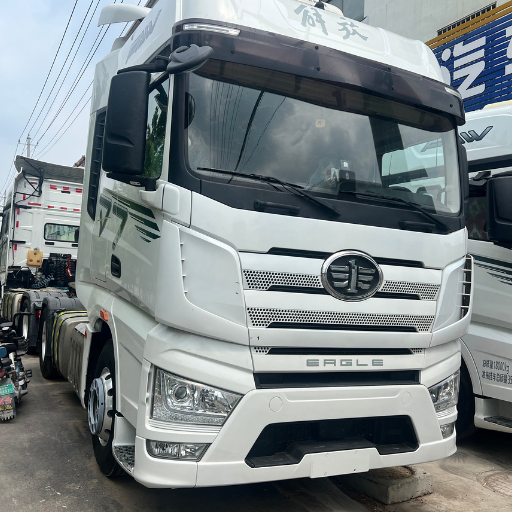
The steps given will help you purchase a reliable used commercial truck:
- Conduct a Thorough Inspection – A thorough examination of the truck’s tires, engine, body, and undercarriage will show the extent of damage, wear and rust, if any.
- Check Maintenance Records – Make sure to check that service history is properly maintained with appropriate intervals and that previous most important repairs are done.
- Test the Transmission and Engine – A practical assessment of the truck by driving will indicate the sound made by the engine and the shifting of the gears.
- Confirm the Capacity Indicators – Assessment of the stated capacity and axle configuration of the truck together with the specific needs of the business must match.
- Determine the Comfort of the Cab – Overall assessment of the seat, its make, and the ergonomics needs to be done before driving.
- Get an Expert Evaluation – Finding a good mechanic so as to appropriately assess the car’s hidden damages is ideal.
Following these steps allows one to limit the chances of buying a poorly functioning vehicle, thus making the choices made better.
Understanding the importance of maintenance history
Reviewing the service or maintenance history of a vehicle is important when evaluating if a car is reliable or estimating its lifespan. Care includes performing an oil change, tire rotation, brake checks, and other maintenance activities, all of which are adequately captured in the maintenance history. An equally important aspect of ‘care’ is revealing any past issues such as major repairs, accidents, or recurrent problems that could indicate some risk and cost far down the line. Without this detail, buyers could be stuck with hidden costs that are extremely expensive to deal with later on. Cars that have an easy-to-understand and clear maintenance history are not only easy to sell but have higher resale value and thus, increase their value in the market making them a worthy investment. To reduce the chances of information asymmetry, remember to incorporate vehicles with clear service records to make an educated purchase.
Checking for warranty options and coverage
When first identifying the warranties associated with the vehicle, see if the manufacturer’s warranty is still active or if an extended warranty comes with it. In the case of warranties, it will usually encapsulate the time frame for underpinning services as 5 years or 60,000 miles, and also mention the scope of coverage (powertrain vs bumper-to-bumper). Establish which parts of the vehicle will be encompassed under the warranty which ranges from the engine, transmission, and electrical systems to all the components, but also include what is not covered in the vehicle warranty. Verify also what the deductible is and whether or not repairs will be done on-site at the specified service units. Make sure that these conditions are congruent to your driving habits to receive maximum benefit financially because your expenses in case of damage will be covered optimally.
Conducting thorough inspections and test drives
For assessing a car in its totality, scrutinize the vehicle for exterior and interior damages like rust or scratches. Check that the tires have not gone bald and maintain a standard tread depth which is even across their surfaces. Investigate the axial parts of the car for strange odors or excessively loose threads that may suggest that the upholstery is damaged. During the test drive, focus on the execution of specific vehicle functions. Evaluate the responsiveness of the steering, braking, and acceleration. Moreover, pay attention to any unusual noises that may come from the engine, brakes, or suspension system. Ensure that all basic functions such as air conditioning, heating, lights, wipers, and infotainment are in good working order. For comfort angle measurements as well as evaluation and optimal performance assessments, drive the vehicle on the highway as well as through stop-and-go traffic. Finally, use a vehicle history report to find any reported issues together with identifying any recalls. If possible, have a trusted mechanic conduct a pre-purchase inspection on the vehicle. They will be able to assure the level of defects present on the vehicle. Accomplishing all the required thorough test drives and inspections alongside the check will help avoid post-purchase complications while improving overall purchase confidence.
What are the financing options for used semi trucks?
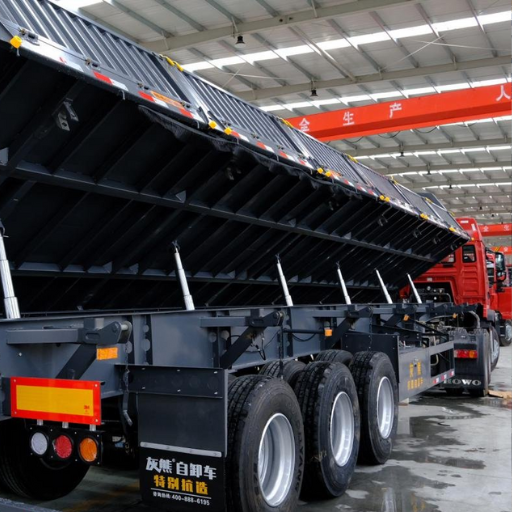
Consider the following options for financing a used semi-truck:
- Traditional Bank Loans – With a solid credit history and an elaborate business plan, one can secure a commercial vehicle loan from numerous banks. Most banks lend against commercial vehicles and tend to have lower interest rates which is a plus.
- Dealership Financing – Flexible payment plans are offered by most truck dealerships either through in-house financing or partner lenders.
- Equipment Financing Companies – Unlike traditional banks, these lenders have more relaxed credit standards. They specialize in financing heavy equipment and commercial vehicles.
- Lease-to-Own Programs – These programs allow one to purchase a truck after leasing it for a certain amount of time. Some sellers as well as financing companies offer these lease agreements.
- Personal Loans or Savings – For those who can afford to take out a personal loan or for those with ample savings, this can be a simple route as it circumvents commercial financing altogether.
All financing options should be evaluated based on interest rates, fees, and loan terms. It is crucial to determine a financing option that best suits one’s budget requirements or business goals.
Exploring loan and lease alternatives
Evaluating a loan and lease option requires an assessment of one’s financial situation and preferences which needs to assume the best course of action. Loans seem to allow businesses complete control of the truck upon repayment and seems ideal for companies looking to make long-term investments. Leasing as an alternative allows lower monthly payments and more flexibility which is great for investors looking to reduce upfront payments or those who prefer frequent vehicle upgrades. Affordability in the case of loans is achieved when interest rates, loan terms, and additional fees from different lenders are compared. Understanding the terms of leasing is equally important as mileage caps come with leasing deals. Leading financial advisory sites stress the need to add up all possible costs including maintenance and accumulated interest over time in order to find the most cost-effective option, highlighting the importance of including maintenance fees. Another tax advantage to consider is leases allowing deductions on monthly payments while costs associated with loans may also qualify depending on regulations. Investors should consider these parts, alongside cash flow and long-term plans, to help guide wisely which would enhance the company’s growth.
Understanding down payment requirements
The fundamental difference between leasing and purchasing a vehicle defines the downpayment requirements and the value of upfront payments. In the case of leases, the up-front payment known as a capitalized cost reduction is decidedly lower and includes the first months payment, security deposit, and administrative charges. In contrast, purchasing a vehicle with a loan has a significantly higher down payment which is estimated to be around 10% to 20% of the vehicle’s entire value.
Key Parameters to Consider:
- Lease Down Payment:
- Typical upfront cost: $0 to $3,000 depending on negotiation and terms.
- Initial fees may include acquisition fees ($500–$800) and the first monthly payment.
- Purchase Down Payment:
- Standard range: 10%–20% of the vehicle price.
- Higher down payments may reduce loan interest rates and monthly payments.
Carefully weigh your available cash flow and financing terms to determine which option aligns best with your financial goals and operational needs. Always review the terms provided by the leasing or financing institution to understand specific requirements.
Evaluating total cost of ownership
Considering the total cost of ownership (TCO), it is vital to look at more than the purchase value; all recurring expenditures related to the vehicle must also be evaluated. Some of the most vital parts include:
- Depreciation – Amount of Decrease in Value of an Asset and Ownership Cost For Vehicles: This is the diminishing increase of a vehicle’s worth over several years. Depreciation is usually the highest cost of ownership. Vehicles with longer resell values or having longer lifespans may help in reducing this impact.
- Fuel Costs – Check the Vehicle’s MPG. The vehicle’s miles per gallon (MPG) is a great indicator if it is economical. In the example of Electric Vehicle (EVs) consideration must be given to energy consumption as well. Remember: Fuel-efficient and electric vehicles may eventually lessen expenses.
- Maintenance and Repairs – Each vehicle incurs different unpreventable upkeep fees regularly or as time goes by. Some vehicles come with extended warranties or maintenance and off-setting planatres which could mitigate these costs.
- Insurance Premiums – Insurance policies differ from one region to the other depending on the vehicle type, safety features, and your city. Also be sure to take policy estimates to have a clearer picture of the service in areas you want to reference.
- Taxes and Fees – Fees like Registration tax and local emissions test certification also matter which can incur a significant impact on overall expenses. Such are vital factors no the course of your calculation.
- Financing Costs – Assumed to be true with nearly all vehicles under financing, don’t leave out loan interest payments in your analysis. Lower credit scores are bound to increase these expenses.
Considering every one of these factors will help you gain a clearer picture of your vehicle’s total cost of ownership and whether it corresponds to your vehicle’s financial and operational needs. For an estimate that is more customized to your scenario, make use of the TCO calculators available on reputable automotive websites.
How do I navigate the process of buying and selling used heavy-duty trucks?

Strategically assess the processes involved in buying or selling used heavy-duty trucks. Create outlines based on operable needs, for instance, type, as well as capacity and features that influence decisions. Investigate prices and value appreciation by checking sites like, TruckPaper, or competing dealerships for their offerings. Buyers are expected to check vehicles thoroughly, examining maintenance records and the state of the vehicle’s mechanics. For the sellers, creating detailed records is a must with the truck being clean and functional. Negotiations must adhere to balance data obtained from the market, securing financing if need be before wrapped up after preparing documentation like title change and compliance certificates. Transporting the truck after sale, when convenience is most ideal ensures no logistical headaches regarding the needs of the buyer. Buyers and sellers stand to achieve efficiently optimized efforts toward transactions when regulations are upheld, and research is prioritized.
Understanding market values and pricing strategies
Comprehending the pricing strategies and market benchmarks is critical in selling or purchasing trucks. Shift an area of focus on reputable tools, industry reports and other northwest-based online marketplaces to develop trends you can rely on. Key areas to take note of are make, model, age, mileage settings and overall condition as they will have a huge impact on how valuable a truck will be. Page comparisons can also come in handy as sellers capitalize on area listings. Pricing strategies should take into consideration both appeal and impartiality. Sellers will want to set a price that is slightly higher than the prevailing market rate to allow for negotiation while buyers will try to remain within the price range to avoid being charged an excess. The Kelley Blue Book, Edmunds, and NADA Guides provide valuable information regarding market prices and trade-in values. Transparency, accompanied by strong negotiation skills, makes for easier transactions for both parties.
Negotiating terms and closing the deal
For the negotiation of the terms and closing the deal, I approach with a strategy that requires being prepared and open. I begin with gathering all the necessary information relevant to my negotiations such as the vehicle inspection checklist, the current market, and reasonable offers. Offering a reasonable starting figure helps with the negotiation process because counteroffers will be accepted. Focus is best when I hear the needs of others while discussing the need for value in the plan I am selling. If there are concerns, I can use inspections or warranties that I will build trust over to offer others. Lastly, I ensure that we capture the agreed terms in writing to enable both parties to have a safe and seamless transaction.
Handling paperwork and title transfers
Completing the transaction involves meticulous title and paperwork processes. First make sure to check the title for all liens as well as completion of the odometer section and all requisite signatures. Both buyer and seller must verify the state DMV rules and regulations, as they differ across states. A bill of sale may also be required in certain states and must specify the sale price as well as vehicle details. The completed title transfer is then forwarded to the DMV for processing. Buyers must make certain that a temporary tag or registration is obtained if they are required and sellers must retain copies of all the documents as evidence of the sale. Submitting the title transfer promptly is essential to minimizing legal or financial risks.
References
Frequently Asked Questions (FAQ)
Q: What should I consider when looking for a used truck tractor?
A: When looking for a used truck tractor, consider the truck’s age, mileage, maintenance history, and specific features like air ride suspension, drive axles, and cab type. It’s also important to review the truck category, such as heavy duty or day cab truck tractors, to ensure it meets your needs.
Q: What is Ironclad Assurance in truck listings for sale?
A: Ironclad Assurance is a certification that ensures the truck has been fully inspected and meets specific quality standards. It provides buyers with confidence in the condition of the truck, making it easier to buy used trucks with assurance.
Q: Where can I find listings for used truck tractors for sale?
A: You can find listings for used truck tractors for sale on various websites specializing in commercial vehicles. These platforms often feature a wide range of truck listings, including those for heavy duty trucks and day cab trucks.
Q: What are the popular manufacturers of used truck tractors?
A: Popular manufacturers of used truck tractors include Freightliner, Volvo, Peterbilt, Kenworth, and Mack. Models such as the Freightliner Cascadia, Peterbilt 579, and Kenworth T680 are commonly sought after in the used truck market.
Q: What types of truck cabs are available in used truck tractors?
A: Used truck tractors are available with different cab types, including day cab trucks and sleeper cab truck tractors. Day cabs are suitable for shorter trips, while sleeper cabs offer a resting area for long-haul drivers.
Q: How does buying format affect the purchase of a used heavy duty truck?
A: The buying format, such as auction or fixed price, can impact the cost and purchasing process for a used heavy duty truck. Auctions may offer lower prices but come with more uncertainty, while fixed prices provide more stability and assurance.
Q: What is included in a typical tractor inventory?
A: A typical tractor inventory may include a variety of truck types such as semi tractors, dump trucks, and commercial tractor trucks. It often features both new and used semi trucks for sale, with varying specifications and features.
Q: How can I evaluate the condition of a used semi truck?
A: To evaluate the condition of a used semi truck, examine the vehicle’s maintenance records, inspect key components like the hp engine and air ride cab, and look for signs of wear and tear. Additionally, consider professional inspection services for a thorough assessment.
Q: Are there specific features to look for in a quality used truck?
A: Yes, look for features like air ride suspension, reliable drive axles, and a powerful engine such as the Paccar MX-13. A truck with these features, in addition to a good maintenance history, is likely a quality used option.