China Leading Options for Tractor Trucks
We supply a wide variety of dependable tractor units built for demanding logistics. Choose from a selection of reliable configurations, from versatile single-axle models to powerful multi-axle haulers. As experienced dealers, we stand behind every unit with proven performance and comprehensive support.
What Is a Tractor Truck?
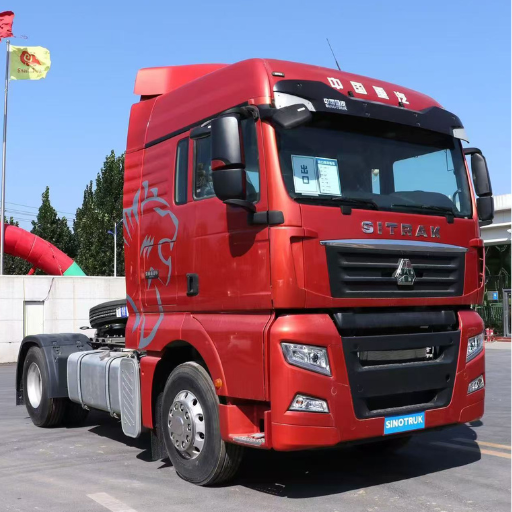
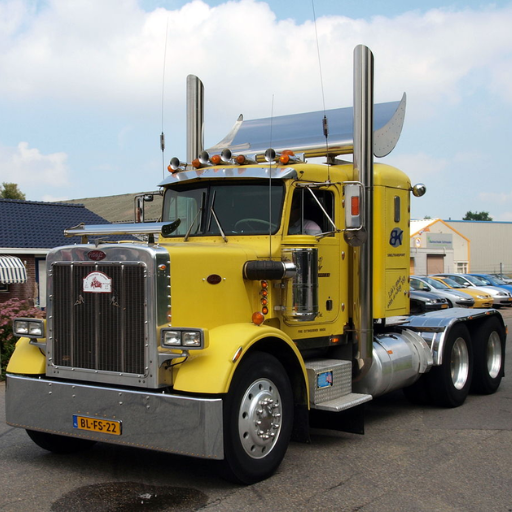
A tractor truck is a heavy-duty vehicle specifically designed to tow large trailers or semi-trailers. Unlike a straight truck with a permanently attached body, the tractor unit provides the motive power and connects to the trailer via a specialized coupling device known as a fifth wheel. This modular design allows a single tractor to haul various types of trailers carrying diverse cargo, making it a versatile and essential component of long-distance freight transportation and logistics.
The Core Advantages of Investing in a Tractor Truck
Whether navigating extensive logistics or serving critical regional transportation demands, these powerful tractor trucks move vast quantities of goods more effectively than other hauling solutions. Understanding their core capabilities highlights why professionals rely on them to optimize freight movement.
High Towing Power
Engineered to handle substantial trailer weight, ensuring efficient transport of heavy goods over long distances and varied terrain.
Optimized for Range
Designed for efficient highway travel, offering fuel economy and comfort during extended trips, maximizing operational reach and delivery speed.
Modular Versatility
Connects to diverse trailer types (flatbed, box, tank) for flexible and adaptable cargo hauling across various industries.
Robust Reliability
Built with durable components and chassis to withstand demanding routes and continuous operation, ensuring consistent performance.
What Are the Main Types of Tractor Trailer Truck and Their Uses?
- Highway Tractors: Built for long-haul transport, often equipped with sleeper cabins for extended over-the-road operations.
- Terminal Tractors: Specialized for moving trailers within ports, logistics centers, and rail yards over short distances efficiently.
- Heavy Haul Tractors: Designed with robust chassis and multiple axles to manage and transport exceptionally heavy or oversized cargo.
How Do I Choose the Right Truck Tractor for My Project?
- First, Assess Your Typical Freight Load Characteristics, Including Weight, Size, and Type, To Determine Required Capacity.
- Next, Evaluate Operating Conditions and Routes, Considering Distances, Road Surfaces, And Any Specific Terrain Needs.
- Finally, Consider Engine Power, Axle Arrangements, Required Features, And Your Budget Including Long-Term Costs.
Explore Our Tractor Truck Configurations
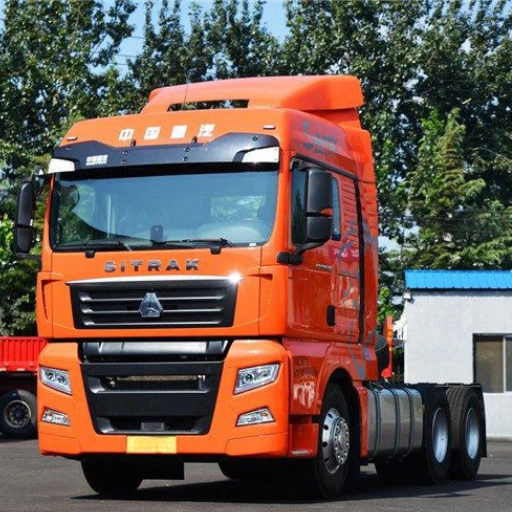
4×2 Tractor Truck
The 4x2 tractor truck offers excellent maneuverability and fuel efficiency, making it ideal for lighter loads, regional hauls, and urban logistics. Its single drive axle provides nimble handling in tight spaces and on paved roads. This configuration is a cost-effective choice for general freight transportation needs.
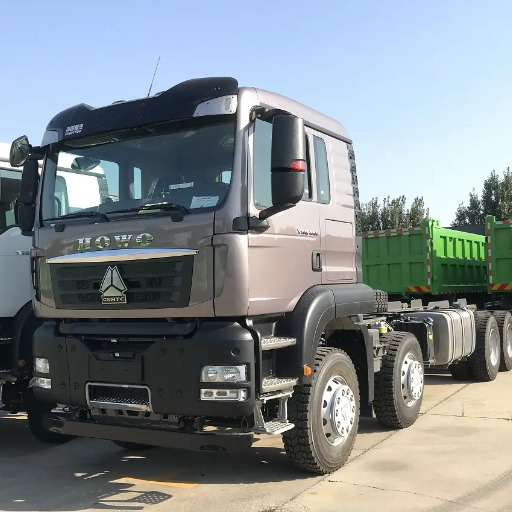
6×4 Tractor Truck
A true industry standard, the 6x4 tractor truck provides a strong balance of towing power, traction, and versatility. With two driven axles, it handles heavier payloads and offers reliable performance in challenging terrain. It is the workhorse for diverse long-haul and construction-related transport tasks.
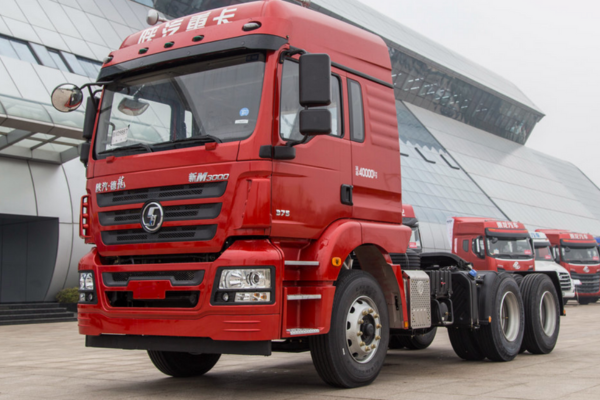
8×4 Tractor Truck
Engineered for extreme loads and demanding applications, the 8x4 tractor truck features multiple axles to distribute weight and maximize legal capacity. Its robust design and superior stability are essential for transporting heavy machinery, oversized cargo, or operating in challenging off-highway conditions.
Tractor Truck: A Comparative Overview
| Feature / Parameter | 4×2 Tractor Truck | 6×4 Tractor Truck | 8×4 Tractor Truck |
|---|---|---|---|
| Primary Application | Regional/Urban haul, lighter loads, general cargo | Long haul, heavy freight, diverse trailer types | Specialized heavy haul, oversized/heavy cargo |
| Axle Configuration | 1 Steering, 1 Drive Axle | 1 Steering, 2 Drive Axles | 2 Steering, 2 Drive Axles |
| Max GCWR / Towing Cap. | Moderate | High | Very High |
| Horsepower Range | Typically Lower to Moderate | Moderate to High | High to Very High |
| Maneuverability | High (Excellent Turning Radius) | Standard (Good Turning Radius) | Lower (Limited Turning Radius) |
| Fuel Efficiency | Highest | Moderate | Lower |
| Suitability for Terrain | Paved roads, urban areas | Highways, moderate grades | Challenging terrain, heavy-duty work sites |
| Initial Cost | Lower | Standard / Moderate | Higher |
Versatile Applications of Tractor Truck
Long-Haul Transportation & Logistics
Retail & Distribution
Manufacturing & Industrial Transport
Specialized Freight & Transport
Why Choose Our Tractor Truck?
-
Engineered for Superior Durability: Built with high-strength materials and robust chassis design to withstand demanding conditions and ensure a long service life.
-
Flexible Powertrain Options: Available with a range of powerful and efficient engines and transmissions to match specific hauling requirements and optimize performance.
-
Advanced Connectivity Features: Integrated with modern telematics and fleet management systems for real-time monitoring, route optimization, and predictive maintenance.
-
Designed for Driver Productivity: Featuring ergonomic cabin layouts, comfortable seating, and intuitive controls to reduce fatigue and enhance operational efficiency on long routes.
-
Proven Performance Record: Backed by extensive testing and real-world application data, demonstrating reliability and consistent performance under various load and road conditions.
What Our Client Says
Understand from our clients what they say about doing business with us and the unique value addition we provide.
Latest Blog Posts
Maintain Inventiveness by Following The Blog for the Latest Best Practices, Techniques, Innovations, and Insights in the Field.
In the vehicle industry, the terms truck and tractor-trailer are often used without distinction. These terms refer to two distinct vehicles with characteristics and functions. This guide seeks to...
Investing in a semi-truck comes with both advantages and disadvantages for new buyers and seasoned fleet operators looking to expand their businesses. Semi-trucks are generally priced based on whether...
Within the context of freight transportation, the terms ‘trucks’, ‘tractors’, and ‘tractor trailers’ tend to be misused and used interchangeably, though, in reality, they have very specific meanings. Regardless...
Are you a truck enthusiast trying to find the ideal semi truck with optimal performance, style, and practicality? If so, your search ends here! This blog will offer a...
In freight transport and logistics, ‘tractor,’ ‘semi-truck,’ or ‘trailer’ are often used interchangeably. Each term has a specific meaning, which allows one to understand the entire freight transport system....
There is some ambiguity in the terms “tractor truck,” “semi-truck,” and “tractor-trailer,” while they seem accompanied with the same commercial vehicle meaning, however, that is not entirely true. The...
In the transport and logistics industry, knowing the dimensions of semi-trucks and trailers is essential and affects the functioning of the vehicles. Semi trucks and trailers play an integral...
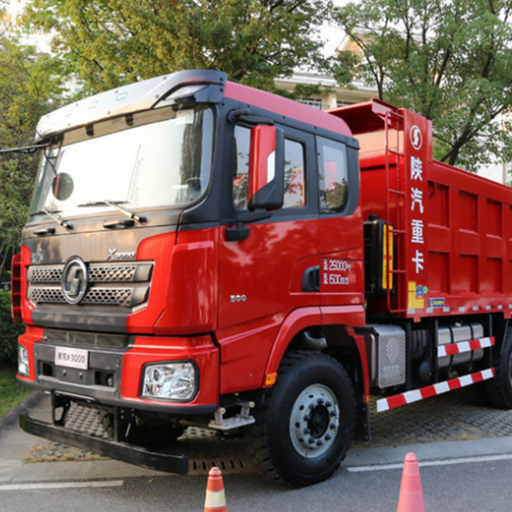
From reliability in Ironclad Assurance to narrowing down your options with helpful tips, we will cover everything about purchasing a used semi truck that you need to know. My...
Find Your Perfect Tractor Truck Solution?
Whether you’re expanding your fleet or need a single workhorse, our transportation experts are ready to assist. Share details about your hauling requirements, typical routes, cargo types, and operational goals. We’ll craft a tailored proposal outlining the ideal tractor truck configuration, performance specs, customization options, and delivery plan to optimize your logistics and drive your business forward.
Frequently Ask Questions
Q: What is the difference between a truck tractor and a semi-trailer?
A: A truck tractor (also known as a tractor truck or semi tractor trailer truck) is the powerful front portion of a semi-trailer truck that contains the engine and cab. It’s designed to pull a detached trailer, which is the load-carrying unit. Together, they form a tractor trailer truck.
Q: What types of trailers can a tractor truck pull?
A: A versatile tractor trailer truck can pull many different types of trailers, including dry vans, refrigerated trailers (reefers), flatbeds, tankers, car carriers, and specialized lowboys, depending on the fifth wheel coupling and the truck’s specifications.
Q: Where can I find used tractor trailers for sale?
A: You can find used tractor trailers for sale through various channels, including dealerships specializing in heavy-duty trucks, online marketplaces, auctions, and directly from trucking companies selling off older units.
Q: Are there options for a mini tractor truck?
A: While the term mini tractor truck isn’t standard for road transport, smaller or medium-duty tractor trucks exist, often used for local deliveries or specific industrial yard movements, offering more maneuverability than full-sized highway tractors.
Q: What factors influence the tractor truck price?
A: The tractor truck price varies significantly based on factors like the manufacturer, model, engine size, transmission type, axle configuration, features, condition (new vs. used), and any added customizations or technology packages.
Q: Is tractor truck rental a common option?
A: Yes, tractor truck rental is a very common and flexible option for companies needing temporary capacity increases, trying out different models, or avoiding the long-term commitment and maintenance costs of ownership.
Q: What kind of tractor trailer supply is needed for maintenance?
A: Regular maintenance of a tractor trailer truck requires various tractor trailer supply items, including parts like filters (air, oil, fuel), brake components, tires, fluids (engine oil, coolant, transmission fluid), and electrical components.
Q: What are the typical axle configurations for tractor trucks?
A: Common axle configurations for truck tractors include 4×2 (two axles, one powered), 6×2 (three axles, one powered), and 6×4 (three axles, two powered), chosen based on the required hauling capacity, road conditions, and legal weight limits.