Within the context of freight transportation, the terms ‘trucks’, ‘tractors’, and ‘tractor trailers’ tend to be misused and used interchangeably, though, in reality, they have very specific meanings. Regardless of whether you are a logistics aficionado, an interested operator, or are just seeking to understand the inner workings of heavy-duty transport, knowing the miscaptioned discrepancies is significant. This guide seeks to explain these terms by detailing their roles, intents, and the contexts in which they occur. Consequently, you will understand how these vehicles function together in moving goods over great distances.
What exactly is a truck tractor and how does it differ from a regular truck?
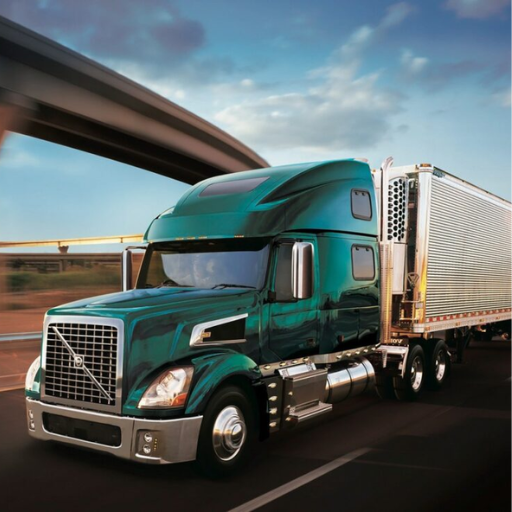
Well known as a tractor, a truck tractor is a robust vehicle which is specially built for pulling semi trailers and other heavy objects. Unlike a truck, which contains a built in cargo hold for transporting goods, a truck tractor does not transport cargo as a truck would. Instead, it offers the engine and cab and it uses an attached trailer for freight. The separation allows the truck to exchange trailers, which makes truck tractors ideal for long-haul and logistics operations.
Defining what a tractor is in the truck driving industry
Based on my experience in truck driving, the tractor is the main driving force for freight transport. A tractor is defined as a vehicle that contains the engine and the cab. It is meant to pull different kinds of trailers which may be packed with goods, livestock, machinery, and more. Diesel tractors are not trucks in the traditional sense: unlike a truck, a tractor specializes in towing and does not possess any cargo space. This allows for easier switching of trailers to match the load needs. The supply chain cannot be sustained without the tractor since it performs an essential task in long-haul operations.
Key differences between a truck and a tractor in transportation
A truck is a single-unit cargo vehicle such as a box truck or flatbed, which makes it perfect for shorter routes because the truck itself can carry and dispense the cargo needed at various delivery spots. A tractor’s purpose, in contrast, is to tow trailers which allows the truck to change the type of load carried by changing the trailer. Trucks are much more suited for local transport while their bulk counterpart is fitted for long-distance journeys.
How a truck tractor is specifically designed to pull trailers
From my professional experience in the sector, a truck tractor integrates power, stability, and versatility in one machine for pulling trailers. As prominently featured in the truck tractor, the powerful engine with high torque handles heavy loads with ease because of the fifth wheel coupling system which securely attaches the tractor and the trailer. In addition, the suspension and drivetrain are designed to optimize weight distribution for broad performance trim and safety during long hauls. Advanced brake systems and maneuverability make these vehicles ideal for myriad operations involving trailer towing, truck tractors are specially designed for it.
How does a tractor-trailer combination work together?

The tractor and trailer combination transports goods in an integrated and efficient manner. The tractor provides the power, steering, and control while the load is carried by the trailer. The coupling is done via a fifth wheel coupling system which keeps them securely connected while allowing for articulation and weight transfer. This synergy achieves maximum performance, stability, and safety during long-distance travels through various terrains.
Understanding the fifth wheel connection between tractor and semi-trailer
Based on my experience in the industry, the fifth wheel apparatus is, decisively, the most pivotal component of the complete truck in transport logistics. It acts as the vital joint connecting the tractor unit and the semi-trailer, maintaining the level of balance in the entire rig when it is subjected to different operational stressors. Due to the requirement of additional movements, the vehicle must be able to pivot around its vertical axle, which further increases the requirements concerning articulation. The fifth wheel requires frequent servicing and thorough inspections because it suffers from structural degradation and compromises safety, and performance while ensuring operational mechanisms function as intended. Time and again, this part of the truck demonstrates its importance in the heavy-duty logistics industry.
How truck tractors are designed to pull a trailer efficiently
Advanced engineering and robust constructions are incorporated in the design of the Truck Tractors in order to pull trailers with maximum efficiency. These tractors contain powerful engines which are capable of high torque, a vital feature for heavy loads. Due to the stress of towing, the frame and chassis are fortified; this, along with the aerodynamic shape which reduces drag, enhances the overall fuel efficiency. In addition, other components like the air brake system, the rugged suspensions, and the fifth wheel that serves as a precision coupling mechanism provide seamless load handling, stability, and safety. The combination of these components delivers unrivaled road reliability and performance.
Weight distribution and heavy load capabilities in the tractor-trailer combination
From my professional knowledge, one of the most critical factors regarding safety and performance in tractor-trailer operations is having the weight evenly distributed across the vehicle. Proper distribution of weight on the axles prevents excessive strain on any component, which aids in mitigating the potential for accidents. Speaking of handling heavy loads, a well-structured combination takes significant weight in stride because of the strengthened chassis, powerful suspension systems, and meticulous axle positioning. They provide stability balance, and maneuverability even under harsh conditions. Proper management of these factors allows for dependable and effective haulage.
What types of truck tractors are used in the trucking industry?
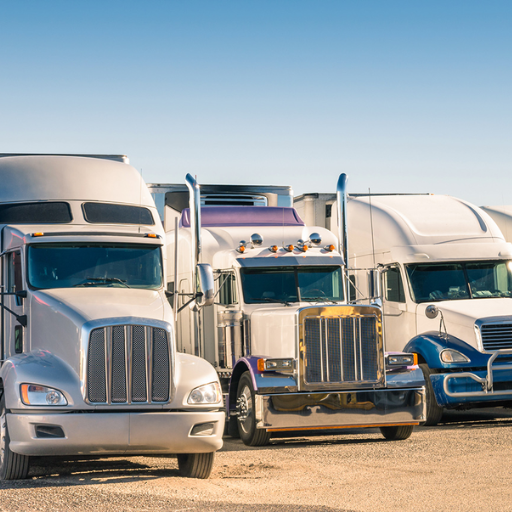
The trucking sector makes use of diverse truck tractors, specifically designed for different purposes and applications. Examples include day cabs, which are best day use for short-haul and local deliveries, and sleeves cabs, fitted with resting spaces for long-haul operations. Off-road tours and extreme loads require heavy-duty tractors while regional mid-range freight is serviced with medium-duty trucks. There are more specialized types too, like low-profile tractors designed to specific trailer heights or tandem axle tractors, which better distribute heavier loads. Each serves a distinct purpose to maximize efficiency in all operations.
Different configurations of truck tractors based on axle arrangements
In reality, the various configurations of truck tractors based on axle arrangements differ from single axles being used for light deliveries within city boundaries all the way to over-the-road tandem rotaries that will fit the recommended mold as well as my personal suggestions for heavy long-distance hauling. Singular configurations allow for less maneuverability and fuel efficiency while Dual configurations allow for better weight alignment and sturdiness Tridem rotary setups can bear the most weight out of the remaining configurations. Every configuration gives its user particular advantages while successfully fulfilling unique behaviors pertaining to covers such as weight, terrain, and route prerequisites.
Specialized tractors for various types of semi-trailers and cargo
Choosing the appropriate specialized tractor for semi-trailers and cargo involves aligning the configuration with the trailer type and specific load requirements. Usually, flatbed trailers are pulled by tandem axle tractors which offer sufficient flexibility for oversized loads and stability for heavy equipment. Single or tandem axle tractors are usually used for reefers to maintain efficiency with maneuverability for perishable goods. Tridem axle tractors are most suited for lowboy trailers because of their ability to handle the extreme weight of industrial machinery and oversized cargo. It is critical to consider the exact requirements of the cargo and trailer to ensure maximum performance, safety, and cost-efficiency.
Comparing gross vehicle weight ratings across different tractor types
My understanding of gross vehicle weight ratings (GVWR) for different types of tractors considers the use case. For example, single-axle tractors have a lower GVWR which makes them ideal for lighter urban deliveries that require maneuverability. On the other hand, tandem-axle tractors are versatile and have an intermediate level of weight capacity, frequently utilized in regional and long-haul transport. Tridem-axle tractors have the best GVWR for oversized and industrial cargo because they are designed for the heaviest loads. The appropriate GVWR for operational requirements improves efficiency, reduces equipment wear, prioritizes safety, and enhances overall reliability.
What’s the difference between a straight truck vs. a truck tractor?
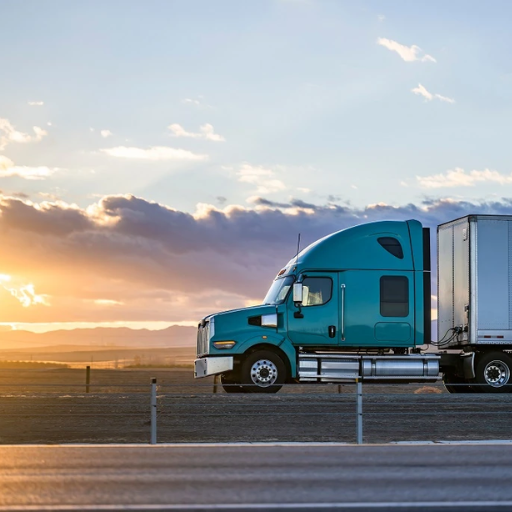
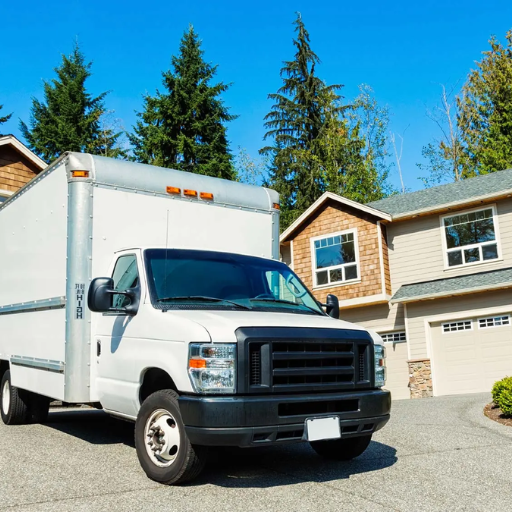
A straight truck is a type of vehicle with a single chassis that contains an integrated cab and cargo area, which is fixed and cannot be separated. Such construction is encouraged for ease of use and maneuverability for local deliveries and smaller loads. On the other hand, a truck tractor is a trailer that is designed for towing purposes, which allows for greater flexibility and adaptability to different kinds of long-distance freight. The main difference is that truck tractors come with a separate trailer for the cargo whereas straight trucks do not as they include the cab and cargo compartment into a single structure.
How a straight truck carries cargo differently than a tractor-trailer setup
In my experience in the sector, the manner in which a straight truck carries cargo is quite distinct from that of a tractor-trailer combination. A straight truck has a single-unit construction cab and cargo area in one piece which is perfect for smaller deliveries and urban driving through tight streets. A tractor-trailer combination offers the capability of detaching the cab tractor from its trailer, enabling operators to change trailers depending on the load requirements. This configuration is suitable for transporting large quantities of freight over long distances. The uneven trade-off between the two is dictated by the transport requirements and the operational logistical needs.
When to use a box truck versus when you need a semi-truck
When it comes to convenience and accessibility for smaller deliveries or local trips, a box truck is the perfect option. It does exceptionally well in metropolitan areas, precise delivery timeframes, and circumstances that require straightforward loading and unloading. A semi-truck, on the other hand, is unaffordable if the goal is distance traveling, large freights, or bulk transport. Complex, larger logistics operations benefit from semi trucks due to their primary power, capacity, and flexible trailer configurations.
Licensing and skill requirements for driving each type of vehicle
In my judgment, I am capable of explaining the differences in licensing and skills needed for operating box trucks in comparison to semi trucks owing to my experience in the field.
The requirements for operating a box truck are less complicated. Typically, box trucks can be driven using a Class C driver’s license. This is usually the case for a Personal Vehicle Operating License in many places. Notwithstanding, if the box truck has a Gross Vehicle Weight Rating (GVWR) of over 26,000 pounds or carries hazardous materials, then a Commercial Driver’s License, or CDL, becomes necessary. These are the primary factors to take into consideration for box truck licensing:
- Vehicle weight –A commercial driver’s license (CDL) is required if a gross vehicle weight rating (GVWR) is over 26,000 pounds.
- Cargo type – A commercial driver’s license (CDL) accompanied by a Hazardous Materials Endorsement (HME) is obligated when transporting hazardous materials.
- Local laws – It is advisable to check the local rules as licensing requirements may vary by state or country.
With the intricacy of these vehicles, the bar is set higher for semi-trucks. Operating a semi-truck requires a Class A CDL which certifies a driver to operate combinations of vehicles such as a truck and trailer. Also, depending on the type of cargo or trailer, specialized endorsements may be required. The core considerations for semi truck skills and licenses include:
- Class A CDL –Required for operating any vehicle over 26,000 pounds and towing any trailer over 10,000 pounds.
- Endorsements –Perhaps the most common are Tanker (N), Hazardous Materials (H), and Double/Triple Trailers (T).
- Advanced skills – Drivers of semi trucks need to proficiently understand trailer braking systems (like air brakes), backing up with trailers, and coupling/uncoupling trailers.
- Safety regulations – Familiarity with DOT rules, logbook and record keeping requirements, and hours of service limitations are vital.
Like all other positions, extensive driving practice as well as training is needed before one can use the road confidently and safely. While using a box truck may appear to be less complicated, driving a semi truck is, a more complex undertaking which is more demanding and comes with greater responsibility. There are numerous challenges and requirements that need to be overcome, and as such, I suggest taking professionally and expertly crafted training programs.
Why is proper terminology important in the world of truck driving?
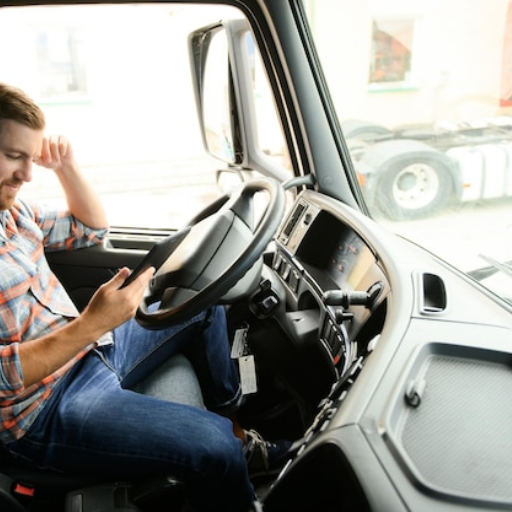
As with any industry, the world of trucking has its proper terminology which improves communication on the road and reduces errors while driving or working professionally. The proper terminology from vehicle operations to regulations and compliance, including conversational interaction with dispatchers, professionalism, and efficiency represents the entire domain of the industry.
Common confusion when people say truck when they mean tractor
In my many years of practice, I have not been able to understand why some people use “truck” and “tractor” in the same context. A casual observer may find the terms rather interchangeable, but to someone in the trucking industry, each of these words describes a different piece of equipment. A tractor, otherwise referred to as a “tractor unit” or “semi-truck,” is specifically the motorized piece that is constructed to pull a trailer. “Truck,” widened the net a bit, and is used to describe straight trucks, boxed trucks, and any self-contained vehicle used for transporting goods. The two definitions highlight the most distinguished difference between “Truck” and “Tractor Unit.” Differences matter for purposes of accuracy and precision in communication otherwise one might be inefficient, erroneous in dispatching the truck, or misunderstanding with regard to inspecting regulations.
Understanding truck lingo without thinking in professional settings
In order to understand truck terms beyond professional contexts, pay attention to how “tractor” or “truck” is used. A “tractor” denotes the engine-powered unit specifically built for towing trailers, and a “truck” refers to any vehicle that transports goods. Understanding that “tractor” underscores the towing part, and “truck” covers everything from box and flatbed to transport vehicles is very important. In simplified casual terms, consider the tractor to be the front half of a semi-truck and the truck to be the all-encompassing family of goods-moving vehicles.
Regional variations in how trucks and tractors are referred to
As an industry insider, I can tell you that there is marked variation from one region to another in how trucks and tractors are referred to. For example, “semi-truck” or even “tractor-trailer” are phrases widely used in the United States to refer to a combination of a tractor and a trailer. The UK uses “articulated lorry” as the common nomenclature for the same setup. In the case of long-haul configurations with multiple trailers, Australians often use the term “road trains.” Such differences explain informal cultural practices and regional customs, which show how terminology shifts to suit the location. For effective discourse in business communication, these differences are important, especially given the globalized nature of commerce.
How do the capabilities of trucks and tractors compare for different jobs?
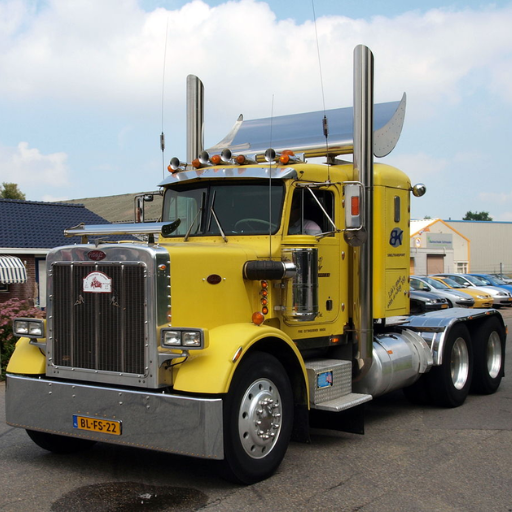
The capabilities of different vehicles is highlighted by the distinction between trucks and tractors. Trucks are focused on the business of transporting goods over long distances, providing speed and efficiency. Like refrigerators, boxes, and flatbed trucks, their versatility provides specialized units for all industries. Tractors, however, require special engineering to achieve great power and torque, making them ideal for plowing, tilling, hauling heavy machinery, or operating it in rugged terrain, as well as various other agricultural and earth-moving tasks. Both are indeed workhorses, but in their respective fields, they truly excel.
Weight capacity differences between truck types and tractor-trailer combinations
Trucks and tractor-trailer combinations always have separate intended uses for them, as is the case with weight capacity. Standard trucks like light-duty pickups are, based on my knowledge, capable of handling payloads of 2000 lbs. Medium-duty trucks range between 10,000 to 26,000 lbs, which makes them ideal for local deliveries or construction site material transport. On the other hand, tractor-trailer combinations are a class on their own; with configurations that can legally haul up to 80,000 lbs on U.S. highways, depending on the state road regulations and the number of axles the vehicle has. The modular design of the trailers i.e. flatbed, tanker, and refrigerated units makes for great versatility; ranging all the way from bulk goods to perishables. These needs add a whole new level of complexity and a deep understanding of the capacity of equipment required for the matched job, optimal efficiency, and strict compliance with safety standards.
When a straight truck is preferable compared to what a tractor can offer
A straight truck will be more beneficial for tasks that involve driving through tight urban areas, quick loading or unloading hours, and small payloads. Unlike tractor-trailers, straight trucks can be driven with more ease which makes them suitable for city deliveries, moving within a residential area, and local distribution routes. Also, the integrated design saves time and improves efficiency because no coupling or uncoupling of trailers is needed for short-haul tasks.
Maneuverability considerations for different truck configurations
Based on my observations within the industry, maneuverability is a key consideration when selecting the most suitable truck configuration to meet a specific job requirement. For instance, straight trucks have an advantage in tight spaces like busy city roads or narrow streets in residential areas because they are easy to manage. Conversely, while tractor-trailers provide significantly more cargo space, their turning radius and space requirements make it difficult to maneuver through tight corners or delivery docks. In the case of long hauls or heavy hauls, the lesser maneuverability tradeoff is offset by distance-driven efficiency. Ultimately the decision comes down to the demands of the routing and delivery areas.
Reference
- What Is the Difference Between a Truck and a Tractor? – TDI
- The Difference Between a Truck and a Tractor – Premier Manufacturing
- What is the difference between Tractor/Trailer & Straight Truck? – FTR Intel
Frequently Asked Questions (FAQs)
Q: What is the primary difference between a truck and a tractor in the context of tractor-trailers?
A: The primary difference lies in their function and design. A truck is a broader term that can refer to any commercial vehicle designed to carry cargo, while a tractor is a specific type of powerful truck designed specifically to pull trailers, such as semi-trailers. The tractor is used to pull these trailers, which do not have front axles and require a fifth wheel mounted over the rear axle of the tractor.
Q: How does the word “tractor” fit into the world of truck driving?
A: In the world of truck driving, the term “tractor” is used to refer to the front part of a tractor-trailer combination. It is a heavy-duty vehicle that provides power and is designed to pull semi-trailers, making it a crucial component in long-haul trucking and freight transport.
Q: Can a truck driver operate both a truck and a tractor?
A: Yes, a confident truck driver can operate both a truck and a tractor. However, they may require specific training and licensing for driving a tractor-trailer, as it involves handling larger vehicles and different driving techniques compared to a regular or straight truck.
Q: What kind of truck is a tractor considered to be?
A: A tractor is considered to be one type of truck, specifically a heavy-duty truck designed to pull semi-trailers. It is distinct from other kinds of trucks, like delivery trucks or regular straight trucks, due to its role in pulling trailers.
Q: Why are tractor-trailers designed to pull semi-trailers?
A: Tractor trailers are designed to pull semi-trailers because these trailers do not have front axles and rely on the tractor to provide stability and movement. The tractor has a fifth wheel mounted over the rear axle, allowing it to connect securely with the semi-trailer and distribute the weight effectively.
Q: What does it mean when someone says a truck can refer to a tractor?
A: When someone says a truck can refer to a tractor, they mean that the term “truck” is often used interchangeably to describe a tractor in the context of tractor-trailers. Although “truck” is a general term for various commercial vehicles, in specific contexts, it can mean the same thing as a tractor.
Q: What are the benefits of using a tractor to pull semi-trailers?
A: The benefits of using a tractor to pull semi-trailers include its ability to carry heavier loads, its adaptability to pull different types of trailers, and the efficiency of transporting large quantities of goods over long distances. Tractors are powerful and built to handle the demands of commercial freight transport.
Q: How does a tractor’s wheel configuration differ from other trucks?
A: A tractor’s wheel configuration typically includes the fifth wheel mounted over the rear axle, allowing it to connect with a semi-trailer. This configuration differs from other trucks, which may have wheels distributed more evenly for carrying loads directly on the vehicle itself, rather than pulling trailers.
Q: What types of vehicles do truckers use on a regular basis?
A: Truckers use a variety of vehicles on a regular basis, including tractor trucks, delivery trucks, and other commercial vehicles. The choice of vehicle depends on the type of cargo being transported and the distance of travel. Tractor trucks are commonly used for long-haul routes due to their capability to pull semi-trailers.
Q: How does comparing a straight truck vs a tractor help in understanding their roles?
A: Comparing a straight truck vs a tractor helps in understanding that a straight truck is a single, rigid vehicle designed to carry loads within its body, while a tractor is part of a tractor-trailer combination designed to pull semi-trailers. This comparison highlights their different roles in cargo transportation.