Investing in a semi-truck comes with both advantages and disadvantages for new buyers and seasoned fleet operators looking to expand their businesses. Semi-trucks are generally priced based on whether they are new or used, with the brand, specifications and any supplementary features or customizations serving as two other primary checkpoints. In the end, I hope this article enables you to understand what price ranges to anticipate, the reasoning behind those price determinants, and most importantly, what decisions to make that professionally accommodate and financially secure your tight budget.
What is the Average Price Range for New Semi Trucks?
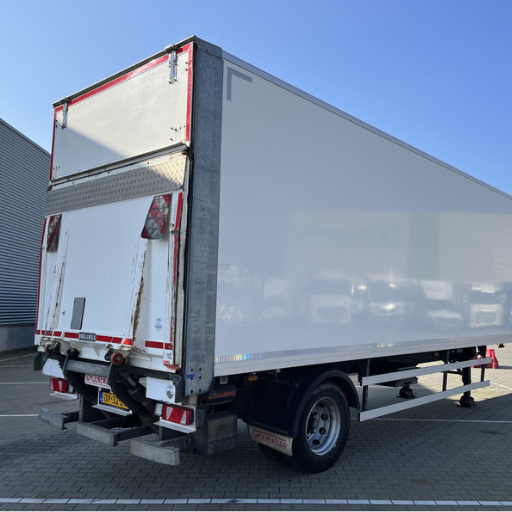
For new semi trucks, pricing starts from $100,000 to $200,000 depending on the manufacturer, model, and their associated features. Custom-specified multi-use models advanced models that include immeasurable technology, improved fuel efficiency, and other specified features usually exceed $200,000. On the other hand, basic models, which are offered without extra add-ons, start from $100,000. Since prices usually differ from manufacturer to manufacturer, it is always worth analyzing the available prospects about your requirements and financial capabilities.
New Semi-Truck Cost by Type of Truck
Due to the several classes of vehicles available in the construction industry, the cost of a new semi-truck differs significantly based on the construction as well as the purpose he intends to purchase the vehicle. Given below is a comprehensive list of the different types of semi-trucks alongside their cost associated with certain specifications and features:
- Day Cab Trucks
- Price Range: $100,000 – $150,000
- Key Features: Features a compact design without a sleeper cab which makes them ideal for short hauls or regional transportation. Generally, they are fitted with less fuel capacity and devoid of several comfort features which lowers the overall costs.
- Sleeper Cab Trucks
- Price Range: $130,000 – $200,000+
- Key Features: Equipped with a sleeping area for long-haul drivers and powered by more amenities such as larger storage options and extensive driver comfort, as well as better insulation. Top models may have upgraded technology like navigation systems, in-cab climate control, and advanced aerodynamic designs for better fuel economy.
- Heavy-Duty Trucks (Class 8)
- Price Range: $150,000 – $250,000+
- Key Features: Used for carrying heavy loads over extensive distances. These trucks offer powerful engines (e.g., 400-600 HP) and high torque capabilities (e.g., 1,800-2,300 lb-ft). may include advanced safety systems and robust chassis construction to handle demanding workloads.
- Specialty Trucks (e.g., Tanker, Logging, or Refrigerated Trucks)
- Price Range: $120,000 – $240,000+
- Key Features: These trucks are tailored for specific industries and jobs. Docking Refrigeration units, additional safety technologies, enhanced suspension systems, refrigerators, and other specialized equipment can increase costs.
When selecting a semi-truck, evaluating the operational needs and the cost that comes with features and capabilities is crucial. Also, comparing offerings from Freightliner, Kenworth, Peterbilt, and Volvo will ensure you make the optimal investment.
Factors to Consider When Buying a New Semi-Truck
- Budget and Financing Options
Set appropriate boundaries for your spending and make sure to explore other options that will help you afford your purchase. Remember the total cost of ownership including the truck’s purchase price, service maintenance, and fuel consumption. Keep an eye on manufacturers that have offers or incentives that align with your financial budget.
- Fuel Efficiency and Engine Performance
Work productivity is cost-effective when the truck is fueled efficiently. Study the different types of engines offered and their fuel mileage ratings to identify a balance between power and cost-effectiveness for you. Many forward-looking trucks have fuel economy innovations and enhanced performance features to reduce emissions overall.
- Intended Use and Haul Capacity
Determine the freight to be hauled and match it up with the specifications of a given truck. Take note of cargo weight limits, geometry, other purpose-built features you might need, and if you will be needing flatbeds or refrigeration units for your operational requirements.
- Resale Value and Warranty
To ensure getting good value returns when upgrading later, research the different models available and find out what their truck resale values are. Also, examine the warranty coverage for new or used vehicles to guard oneself from unplanned expensive repairs.
- Technology and Safety Features
Think about sophisticated safety features such as collision avoidance systems, lane keeping, and adaptive speed control. These features may improve safety for the driver and decrease insurance premiums. Contemporary trucks may also come with telematics systems designed to monitor and manage fleet performance.
Considering these details along with trusted maker’s brands enables a customized decision that meets the requirements of your business.
Price Range for Day Cab vs Sleeper Cab Models
The difference in pricing for sleepers and day cabs is quite clear and can be attributed to their purpose and structure. Snapfit Models of Day Cabs are more affordable as they are primarily meant for short-haul purposes, ranging between $100,000 to $150,000. Meanwhile, sleeper cabs, which are built for long-haul trucking and come with living and sleeping quarters start selling at $150,000 and may exceed $250,000 for high-end models with sophisticated features. Both types offer used models priced significantly lower than new ones; these vary depending on mileage, age, and condition. Evaluating the operational requirements of the business alongside the budget is essential for making an informed decision.
How Much Do Used Semi Trucks Cost?
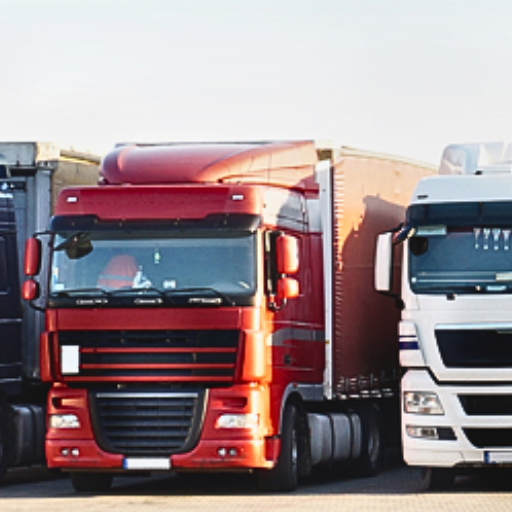
With various features, the price of used semi-trucks can differ substantially, especially when considering age, mileage, condition, and features. The Snapfit day cab is a day cab sleeper
Older and high-mile models can go as low as $30,000, while well-maintained newer models will be priced between $50,000 and $100,000. Premium brands and trucks with advanced features carousel can command even higher prices. It is critical to perform a thorough inspection of the truck alongside its servicing history to ensure the best value potential for long-term use.
Average Price for Used Semi Trucks by Model and Year
The cost of a second-hand semi-truck requires varying degrees of semi trucks models because each of them has features based on the year and condition of the truck. For instance:
- Freightliner Cascadia (2015-2020 models): Prices vary from $45,000 to $90,000 based on the mileage and condition. Newer models with lower mileage tend to be on the higher end of this range.
- Kenworth T680 (2016-2020 models): Typically priced between $50,000 and $100,000. Trucks equipped with advanced navigation and fuel-efficient technologies might carry a higher price point.
- Peterbilt 579 (2015-2020 models): These trucks cost almost $55,000 and $120,000 with premium features driving prices higher.
Additionally, it should not be overlooked that semi-trucks equipped with comprehensive maintenance and lower mileage concerning the age of the truck, is more expensive to buy, but offer better long-term value. Always ensure conducting an inspection on the truck closely or hiring a mechanic professionally, before buying one. That way, limiting guesswork on repairs can be made.
What to Expect to Pay for Different Types of Used Trucks
The price of used trucks is influenced greatly by their type, age, mileage, and overall condition. For instance, older work trucks typically range from $20,000 to $40,000, while mid-range trucks containing some premium features sell for about $40,000 to $70,000. Late model heavy duty or luxury trucks often exceed $100,000 and, with some thorough research, I have seen these models go above $80,000. I, however, try to save money by focusing on a truck’s maintenance history, mileage, and overall condition. I prefer visiting local dealerships and online marketplaces in advance so that the truck I find meets my criteria.
Factors That Affect Used Semi Truck Pricing
Reflecting on my personal experiences, several things affect the pricing of used semi trucks. Firstly, I can recall the most important aspects as being age and mileage, brand, and model. Higher mileage trucks are less expensive but are more likely to come with costly maintenance hurdles. Better-known brands such as Freightliner and Peterbilt, because of their reliability, tend to be more expensive. The engine of the truck is also important, especially the size and fuel efficiency since larger engines typically carry a higher price tag. Other notable factors that affect the pricing include but are not limited to, the transmission type, manual or automatic, sleeper cab size, and extra features such as refrigerated units and lift gates. When generally considering purchasing a semi-truck, the last things that need to be focused on is the maintenance history and the accident history along with the overall condition of the truck’s tires as these have a significant impact on resale value and operating costs.
New vs Used Semi Truck: Which Should You Buy?

The financial capabilities and goals of a person are central in deciding whether to purchase new or used semi trucks. New trucks have higher initial prices, but warranties, improved fuel economy, and modern features also drive up profits in the long run. Used trucks are much more affordable at the beginning, but incur greater long-term maintenance costs. If the goal is to have decreased operating costs, then more cost-efficient new trucks are probably the best option. Used ones tend to be the best choice for someone who is looking to minimize the upfront payment. Alongside these are the organization’s finances and operational requirements to arrive at the correct choice.
Cost Comparison: New or Used Semi Truck Purchase Price
Examining the price of new and secondhand semi-trucks, one must consider the purchase and operational costs of running the vehicle over time. As far as new semi-trucks go, they usually are priced between $125,000 to $150,000 or more, depending on the brand, model, and add-ons they have. These trucks’ technology features such as warranty coverage which guarantees services like recovery from initial breakdowns and repairs.
On the other hand, used semi-trucks are significantly cheaper, with older models ranging from $30,000 to $80,000. This includes cost savings; however, these vehicles must be maintained frequently, undergo several emissions-related alterations, and older models may require other lateral upgrades. In the end, it remains a decision for management as new versus used semi-trucks rely heavily on the budget and operational readiness of the company.
Long-Term Cost Factors When Buying New or Used
In my consideration of the long-term costs associated with new and used semi-trucks, I take into account several important components. New trucks require a greater amount of capital upfront, but their warranties, sophisticated technology, and reduced maintenance costs typically recoup some of this expenditure over time. New models are also more fuel-efficient and compliant with emissions regulations, which lowers many fiscal and legal risks in the future. Used trucks, on the other hand, are much cheaper to acquire, but often require more expensive ongoing maintenance and unplanned downtimes for repairs. In my experience, evaluating the overall dependability, fuel efficiency, and operational cost projections enables me to determine which option meets the company’s fiscal constraints and strategic directives most appropriately.
ROI Considerations for Truck Drivers and Owners
In new versus used trucks, the return on investment (ROI) when considering used and new trucks has a few fundamental factors. The availability of a warranty and better fuel efficiency due to the modern engine technology also contribute to the lower maintenance costs new trucks have. For instance, new diesel engines are more economical than older ones. New models are expected to give a fuel economy of anywhere between 7-9 mpg in comparison to the older ones that may average 5-7 mpg. This advancement in technology translates to a lot of savings when it comes to long hauls. Furthermore, new trucks come with modern safety measures which further enhance compliance to EPA regulations such as emission tests that include NOx and CO2.
On the other hand, the immediate expenses associated with purchasing used trucks is less and enable owners to divert finances to other operational needs. Otherwise, ongoing expenses such as maintenance, repairs, and fuel consumption are expected to be higher. From a technical standpoint, checking the odometer out (used trucks with mileage under 500,000 miles are regarded as ideal) is an important step. The condition of the crucial parts is just as important, some of those include the engine and the transmission. Seeing the maintenance records is just as essential and with the aid of a third-party inspection, costly repairs can be avoided.
In conclusion, ROI is determined by weighing the initial expenditure against of fuel cost, maintenance, anticipated operational downtime, and potential resale value. For businesses that spend a lot of time on the road, new trucks are better suited for long-term investments, whereas used trucks are ideal for budget-conscious businesses with shorter routes. Best financial results are received when operational goals are woven into business strategy regarding where and how they intend to operate.
What Does a Complete Semi Truck and Trailer Cost?

Depending on if you choose to go with new or used equipment, complete semi-truck and trailer costs can differ greatly. A new semi truck will typically be around $130,000 to 200,000, while new trailers are around 30,000 to 80,000 based on type and configuration. For the used models, the price range for semi trucks is 40,000 to 100,000 and trailers range from 10,000 to 50,000. Other considerations like custom features, technology add-ons, and maintenance records for used units also change the price. Custom add-ons can raise the expense, but total cost of ownership includes insurance fuel and maintenance independent from the initial cost.
Semi Truck Trailer Cost by Type of Trailer
The purchase price of a semi-truck trailer varies greatly based on its type and specifics, especially concerning its features. Below are the average prices for each trailer type per category:
- Dry Van Trailers: New dry van trailers cost roughly $30,000 – $60,000 and older ones fetch anywhere from $15,000 – $35,000 based on their condition, making this one of the most basic types of trailers for conveying general goods.
- Refrigerated (Reefer) Trailers: Used for carrying perishables, these trailers come equipped with an insulation system. New reefer trailers will set you back $50,000 – 100,000 while used ones go for $20,000-60,000.
- Flatbed Trailers: Tend to be very versatile and are used for oversized loads or construction materials. Flatbed trailers have a value of $25,000 – 50,000 for new units and $10,000 – 30,000 for older units.
- Tank Trailers: These specialized trailers meant for liquid cargo tend to be experts in their field. New units usually cost $50,000 – 100,000 while older ones are sold at $30,000 – 70,000.
- Lowboy Trailers: Used for heavy equipment, lowboy trailers cost between $40,000 and $90,000 new, with used options generally priced between $25,000 and $60,000.
It’s important to note that factors such as trailer size, material, manufacturer, and additional customizations can significantly affect pricing. Buyers should also consider costs for inspections, repairs, and optional upgrades when budgeting for a trailer.
Total Upfront Cost for a Semi-Truck with Trailer
A new setup in some parts of the country ranges from $100,000 to $200,000. This would roughly encompass a new semi-truck, about $70,000-150,000 for a brand name semi and additional features, and $30,000-90,000 for a trailer. Meanwhile, used options significantly reduce costs; a semi-truck would go for $40,000-100,000 and trailers around $25,000. Keep in mind, however, that all these estimates are subject to additional inspections, repair work, and customizations, ultimately increasing the cost. All of these considerations must be factored in to provide a practical budget estimate.
What Are the Financing Options for Semi Trucks?
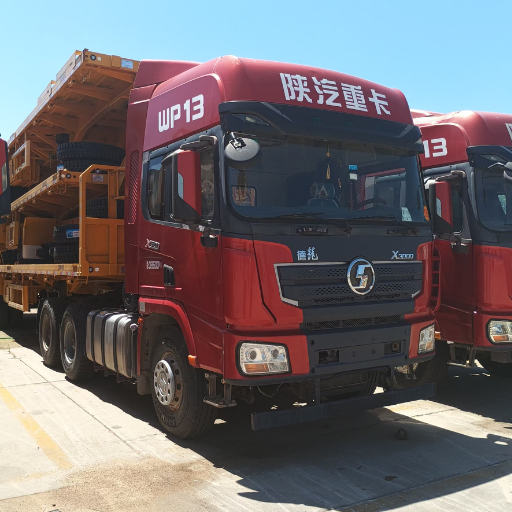
A comprehensive financial assessment for acquiring semi trucks should include obtaining funding via a loan, lease, rental agreement, or credit agreement with a dealer or bank. Typically, there is commercial truck financing offered, which includes acquiring a truck from a vendor. Financing of this nature normally carries restrictions, whereby the buyer is obligated to provide a certain level of down payment and proof of credit. Additionally, the lease allows one to cover the truck’s costs and utilize the truck for a specified period, with options to acquire ownership at the lease’s conclusion. Borrowing the truck for a limited duration is ideal for repositioning, but not if costly, which is what the rent option entails. In the long run, there are many drawbacks to leasing and renting, which diminishes short-term advantages. Credit options are only a few provided by dealers and manufacturers, while dedicated lenders tailor plans specifically for semi-truck owner-operators and small businesses. Regardless of the financial route taken, it is vital to have an outline concerning all agreements before signing.
Monthly Payments for New and Used Trucks
The payment amount is determined by various factors including the truck’s age (new or used), payment method, price, available financing options, term length, interest rates, and the buyer’s credit score. The first ranges from 125,000 to 200,000 while revenues from used trucks are lower than their counterpart, from 40,000 to 100,000, compared to the 800 to 1,800 per month expected from used trucks. Monthly payments for semi trucks’ with used trucks valued at around 40,000 to 100,000 are expected to be lower.
A truck’s age, brand, and condition are key metrics that determine the level of monthly payments alongside mileage. Furthermore, credit scores significantly impact interest rates, for individuals with good credit, average rates are 5%-10% and for those with poor credit peaking at 20% . The terms for a loan are generally from 36 to 84 months, meaning a longer-term translates into lower monthly payments and higher cumulative interest throughout the loan.
Compared to buying a truck, leasing it offers more flexibility since the monthly payment for new models sits between $800 and $1,600, while used models are available for under $1,000, based on the lease’s mileage and term restrictions. Depending on the cap and terms of the lease, mileage restrictions will affect payment as well as include additional charges. To use available financing options fully, they need to shop around lenders since every free maintained and guaranteed cap tends to rely on service costs, upkeep, and insurance expenses.
Lease a Truck vs Purchase: Cost Comparison
It is necessary to identify and balance the overall costs, financial goals, and usage while deciding on whether to lease or purchase a truck. Those needing lower upfront payments may prefer leasing, but this also means not gaining equity in the vehicle. Lease payments for new trucks are often within the $800-$1,600 range, while used trucks cost under $1,000 per month. Additionally, leasing a truck comes with specific mileage restrictions, and fees for wear and tear, along with no equity buildup in the vehicle.
Long-term usage has its advantages with purchasing, as the user will have an outright owned truck after paying off the loan. This makes it less expensive over time. Payments alongside interest affect the credit score of the user. Loan terms range between 36 to 84 months. Users with a good credit score can expect to pay an interest rate of 5% to 10%, and 20% if the credit score is not good. Though loans come with higher monthly payments because of ownership and no restrictions on use, they also allow freedom for use, along with resale value.
In the end, it comes down to a person’s budget, how the asset will be used, and whether they value flexibility over ownership. Strategies to compare costs with a thorough understanding of limitations associated with an option optimally assist buyers make the most financially sound choices.
Truck Insurance and Other Ongoing Expenses
Leasing or buying a truck incurs recurring costs apart from the leasing or purchase deal. Truck insurance, for instance, poses a considerable expense and its cost is determined by the truck’s worth, its usage, the driver’s history, and what sort of coverage is selected. Comprehensive and collision coverage, deemed necessary for full protection, is usually priced between $1,200-$2,500 yearly while liability coverage only runs from $750-$1,200 a year. More robust coverage limits and lower deductibles boost premiums but provide greater financial relief post-accident worsening circumstances.
Continuing expenditures encompass fuel, maintenance, and registration costs. Your truck’s mileage and current fuel prices will determine fuel costs. For example, if a truck is driven 9,000 miles per year, its yearly cost would be approximately $2,400 at 15 MPG and $4.00-gallon fuel. Routine maintenance, including oil changes, tire servicing, and brake repairs, generally costs $1,000 to $1,500 per year, but older or more heavily used trucks may incur additional costs. Depending on the state, annual registration costs run from $50 to $200.
These expenses associated with ownership emphasize the need to plan for expenditures related to vehicle upkeep, legally mandate upkeep, and operational maintenance. Meeting such a range of conditions will work toward a better understanding of total ownership costs.
References
Frequently Asked Questions (FAQ)
Q: How much does a new semi truck cost?
A: When wondering how much a new semi truck costs, the price tag can vary depending on the brand and model. Typically, new semi-trucks cost anywhere from $100,000 to $200,000. However, high-end models equipped with advanced features can exceed this range.
Q: How much does a used semi truck cost?
A: If you’re considering buying a semi truck that’s used, the cost can range significantly. A used semi truck’s price might be anywhere from $30,000 to $100,000, depending on the age, condition, and specifications of the truck.
Q: What factors affect the price of a commercial truck?
A: The price of a commercial truck is influenced by several factors including the make and model, year of manufacture, engine type, and any custom features. Additionally, market demand and location can also impact the overall cost.
Q: How much does it cost to maintain a semi truck?
A: Maintenance costs for a semi truck can vary depending on the truck model and its usage. On average, you might expect to pay several thousand dollars annually for routine maintenance, repairs, and tire replacements.
Q: Is buying a new semi truck worth the investment?
A: Buying a new semi truck can be a worthwhile investment if you plan on moving goods across long distances frequently. New vehicles typically offer the latest technology, better fuel efficiency, and a warranty, which can result in long-term savings.
Q: How much is a semi truck insurance?
A: The cost of insuring a semi truck can vary widely depending on factors like the driver’s experience, the truck’s value, and the type of cargo. Expect to pay anywhere from $5,000 to $12,000 annually for semi truck insurance.
Q: What are the financing options for buying a semi truck?
A: Financing a semi truck can be done through loans or leasing agreements. Many dealers offer financing plans, and banks or credit unions might provide truck loans with varying interest rates. It’s important to compare options to find the best deal.
Q: How do new and used semi truck prices compare?
A: New semi trucks generally come with a higher price tag due to their updated features and warranty, while used trucks offer a more budget-friendly option. However, used trucks may have higher maintenance costs and less advanced technology.
Q: Where can I buy a semi truck?
A: You can purchase a semi truck from various dealers, both online and in-person. For those wondering how much does a semi truck cost, visiting a dealership can provide a clearer picture of the prices and options available. Contact us today to learn more about your options.