In freight transport and logistics, ‘tractor,’ ‘semi-truck,’ or ‘trailer’ are often used interchangeably. Each term has a specific meaning, which allows one to understand the entire freight transport system. Knowing the system’s components is essential for beginners, especially if they want to broaden their perspective.
This article highlights the components of semi-trucks, tractors, and trailers, explaining their functions and how they work together as a single unit. By the end, you should be able to explain these essential elements and their importance in the trucking business. Truck lovers, logistics experts, or those interested in transportation mechanics will find this article helpful.
What is a Semi-Truck, and Why is it Called a Semi Truck?

In some places, a semi-truck or tractor-trailer is called an articulated lorry. It consists of two primary components: the tractor (or cab) and the trailer. The tractor is the cab’s front portion, where the vehicle’s engine and driver are situated. The tractor is responsible for pulling the trailer. The trailer is the semi-truck’s rear cargo unit that can be detached. It is called a “semi-truck” because the trailer does not have front wheels, so it depends on the tractor for support and movement. Semi-trucks are a range of goods transport vehicles that work in a coordinated manner to transport goods over long distances efficiently.
The Origin of the Term “Semi” and What It Means
Semi-trailer construction leads to the term “semi” being used because the trailer’s only rear wheels make it a “semi” trailer. This arrangement enables the tractor and trailer to form an integrated vehicle carrying heavy loads. It’s called a “semi” to distinguish it from a full trailer, whose wheels are at the rear and front, making it more self-supporting. Semi-trucks are vital to the logistics industry because they can transport goods over land of different terrains.
Key Components that Make Up a Semi-Truck
- Engine
As with all semi-trucks, the heart is the engine, usually diesel-powered for high torque and output efficiency. Peak horsepower for semi-truck engines is generally between 400 and 600, and torque ranges from 1,000 to 2,050 lb-ft to accommodate sizable loads and allow long-distance travel.
- Transmission
Semi-truck manual or auto manual transmissions range from 10 to 18 gears. They provide accurate control over power delivery, permitting the truck to negotiate different road conditions and steep inclines with a heavy payload.
- Chassis
The chassis is both the skeletal framework and the primary face of a semi-truck. It supports the vehicle’s cab, engine, and other critical components. Heavy-duty materials like aluminum or steel enhance semi-truck durability.
- Fifth Wheel Coupler
The fifth-wheel coupler is perhaps the most critical connection between the trailer and the tractor. It permits the trailer to move freely while rotating on an axis. Proper maintenance is critical to avoid excessive wear, as with all mechanical systems.
- Braking System
Air brakes are used in semi trucks. They are operated mechanically using compressed air. The system also includes the brake chambers, shoes, and drums, which combine to furnish adequate stopping power for the truck and its load.
- Suspension
The suspension system includes leaf springs, shocks, or an air ride system and guarantees smooth operation and stability even when traversing rough surfaces. Air suspension is prevalent in modern semi-trucks to enhance load-carrying capability and driver comfort.
- Fuel Tank
Most semi-trucks have dual fuel tanks with a total capacity of 150-300 gallons. This range allows for long hauls without refueling regularly, enhancing operational efficiency.
- Cab
The cab accommodates the driver, sleeping berths, additional storage compartments, and climate control for added comfort during long-haul trucking.
- Axles and Tires
The number of axles and type of tires may differ depending on the truck’s configuration and purpose. Semi-trucks have dual rear axles fitted with heavy-duty tires designed for severe and extensive use.
- Electrical System
The system powers critical equipment, including lights, the instrument panel, and communication equipment. It contains a 12-volt system, batteries, an alternator, and other power-generating components.
All these components work in unison to ensure the proper functioning of the advanced, sophisticated vehicles essential for logistics and freight transportation worldwide.
How Semi-Trucks Differ from Other Commercial Vehicles
Semi-trucks have unique features in comparison to other commercial vehicles. Unlike box delivery trucks and vans, semi-trucks have their distinct structure composed of two main parts: a tractor, which has the engine and driver’s cabin, and a detachable trailer. This configuration allows for the focus of greater modularity in hauling. In particular, the semi-trucks can carry different types of cargo, including oversized loads. Semi-trucks have larger engines with increased power output, often exceeding 400 horsepower, and increased torque. This is due to their intended purpose of managing heavy freight with gross combined vehicle weight (GCW) reaching up to 80,000 pounds, which can be exceeded with special permits. They have an air braking system, a 10 or 18-speed transmission, and an advanced suspension system. Such features enable the vehicle to withstand extensive mileage and challenging road conditions. Compared with other commercial vehicles, these features make them unrivaled in long-haul freight operations.
Understanding the Truck vs Tractor: What’s the Difference?
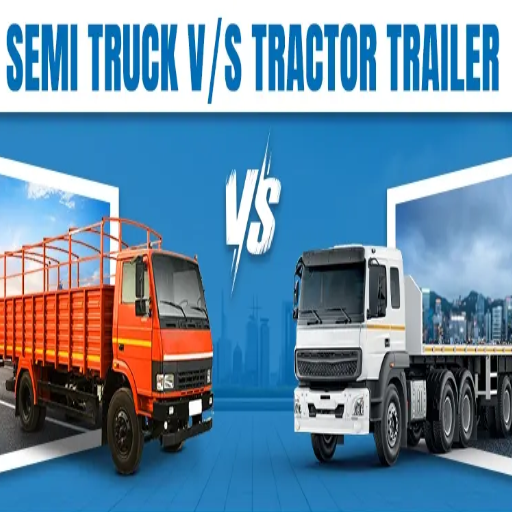
A truck and a tractor are different in terms of their purpose and design, which is their primary difference. When discussing a car, we automatically refer to a motor vehicle designed to carry cargo. The types of trucks vary from light pick-up cars to box trucks that are larger and used for deliveries. A tractor is another form of truck that refers to the front part of a semi-truck, called a tractor unit. It is explicitly designed to haul trailers, transporting heavy payloads over long distances. When we say all tractors are trucks, but not all are tractors, it makes sense because there are other types of trucks apart from tractors.
Defining a Truck Tractor and Its Primary Function
A truck tractor is what we refer to as the power unit of a semi-truck, which has been designed to haul trailers specifically. It drives the wheels and provides power, enabling movement of the chassis and set of wheels. Semi-trucks are primarily used in freight transportation, which is why they are built. Once the car is combined with one or more trailers, it can be pulled across large truckable distances. Unlike other cargo trucks that carry goods directly, a truck tractor pulls the trailers with the goods.
How a Tractor Unit is Designed to Pull a Trailer
A tractor unit has several critical design features to optimize its use in pulling trailers and transporting them long distances. First, it has a fifth-wheel coupling device that firmly locks the trailer and permits a free range of movement. The fifth wheel also provides fast connection and disconnection, so operations with the unit can be switched rapidly.
The unit’s chassis is reinforced to support the weight of the trailer and freight, while the drivetrain is configured to supply adequate torque and power. Most modern tractor units use diesel engines with horsepower ranging from three hundred to six hundred, as per operational requirements. Depending on the required work, a multi-speed transmission system is also available to deal with different terrains.
Some prominent features include a Gross Combination Weight Rating of GCWR 30,000lb to over 88000lb and more based on regional laws so that the tractor and trailer can bear weight safely. Additionally, advanced braking systems such as air brakes must be integrated to deal with the added weight and safety. Other features include adjustable air suspension systems to improve stability when hauling the load.
The optimal design features of tractor units enhance their dependability, long life, and effectiveness in freight transportation while supporting logistics and supply chains globally.
The Fifth Wheel: The Critical Connection Point
The fifth wheel is A crucial element in the tractor unit and trailer mechanism. It allows them to function as a single unit. The fifth wheel also acts as a pivot for the trailer, permitting articulation during turns and on rough surfaces. It should also retain the trailer while allowing load transfer. Other parameters of the fifth wheel are its size and capacity, which differ by model, but most can withstand at least 20,000 kg vertical load and 150,000 kg gross weight of the trailer. Maintenance is always required to guarantee effective locking and lubrication of moving parts.
All About Semi-Trailers: Types and Functions

Professional movers can meet a broad scope of transportation requirements due to the many types of semi-trailers available. Refrigerated trailers, dry vans, and flatbed trailers are common semi-trailer types. Flatbed trailers can haul large machinery and building materials, while refrigerated trailers, as the name suggests, maintain perishables at optimal conditions. Other kinds of semi-trailers are specialized, such as curtain-side trailers, which offer greater flexibility for loading and unloading, and tanker trailers designed for liquid transportation. Every semi-trailer design aims to be tailored to specific industries to deliver goods safely but efficiently. Businesses can strategically select the semi-trailer and optimize productivity across diverse logistical needs.
Common Types of Semi-Trailers for Different Cargo Needs
Selecting the right semi-trailer is critical to enhance safety and tailor transportation solutions. Enclosed or dry vans are considered fully closed trailers designed to shield general cargo from external factors, whereas curtain-side trailers offer space for weather-protected loading and unloading. Purchasing a semi-trailer with windows allows easier access to tanked liquids such as fuel and chemicals and makes them ideal for moving. Furthermore, these semi-trailers can be equipped with a low deck height to enhance and ease the transportation of large equipment, making them lowboy trailers. Having a diverse scope of semi-trailers ultimately ensures safer and more efficient transportation of goods.
How Semi-Trailers Are Designed for Loading and Unloading
As in many other cargo vehicles, loading and unloading activities for semi-trailers are done with extraordinary care to ensure safety and efficacy. For example, flatbed trailers are no-sided and open, so they can be loaded from any side, even from the top. They can also carry very large or oddly shaped items. Curtain-sided trailers are a hybrid of flatbeds and enclosed trailers since their sides slide open for easy access while retaining floor weather protection.
Closed trailers with rear swing or roll-up doors offer straightforward access. Varying forms of cargo require varying means of access, so liftgates are commonly added for easy access and unloading heavy items when no dock is provided. Sliding tandem axles also aid in changing the weight distribution of the trailer during the loading process. Lowboy trailers dedicated to shipping heavy machinery have detachable goosenecks or ramps on the front, allowing for easy hoisting of massive equipment directly onto their low deck.
Capacity borders for semi-trailers include weight limit, deck length, and width. Flatbeds, for example, typically measure 53 to 48 feet long, and their weight limit is around 48,000 pounds. The deck height of lowboy trailers regularly lies between 18 and 24 inches. Because these design specifications are secret, all semi-trailers meet customers’ numerous transportation needs.
The Importance of the Detachable Trailer in the Transport Industry
Detachable trailers offer great versatility and efficiency when transporting oversized or heavy loads, making them an asset in the transport industry. I understand these trailers are easier to operate since the gooseneck or front part can easily be detached. This allows for the straightforward loading and unloading of large machinery or equipment without additional lifting tools, which creates additional safety during operations and lessens downtime.
Some key aspects of detachable trailers include a deck length of 24–30 feet, a width of 8.5 feet, and weight capacities that vary depending on the model trailer but generally start from 40,000 up to 80,000 pounds. Furthermore, the deck height on a lowboy detachable trailer usually falls between 18–24 inches, allowing clearance for taller cargo up to 12 feet. These specifications guarantee compliance with numerous transport requirements while observing regulatory restrictions.
Tractor-Trailer Combinations Explained

The combined use of tractor-trailers is essential in quickly and efficiently transporting heavy and out-of-gauge loads. The power unit, referred to as a tractor, is fitted with a fifth wheel for the hitching and towing of various trailers. These trailers that can be added to meet specific cargo requirements include lowboys, flatbeds, and dry vans. With flatbeds, unusual or large-sized cargo can also be transported, and lowboys are great for hauling tall and hefty equipment. By allowing the separation and alteration of trailers, this system’s adaptiveness guarantees maximum effectiveness for complex transportation tasks. If coupled right, the combinations are within the legal weight, size, and dimensions restrictions, ensuring safety and compliance with regulations.
How the Tractor and Trailer Work Together as a Unit
These trailers and tractors are parts of a well-coordinated single unit that efficiently carries out transportation tasks. The engine power and control are managed by the tractor – the wheeled vehicle while the trailer’s structure is designed specifically for cargo storage. Smooth maneuvers and utmost stability are achieved through the fifth wheel coupling mechanism, which guarantees a firm grip between the tractor and trailer. Together, they reach an even weight distribution of the components in the trailer, which is imperative for balance, legal limits, and regulations being on load. A trailer and tractor partner up for seamless transport operations that are done effectively, safely, and rely on total trust.
The 18 Wheels’ Distribution Across the Tractor-Trailer
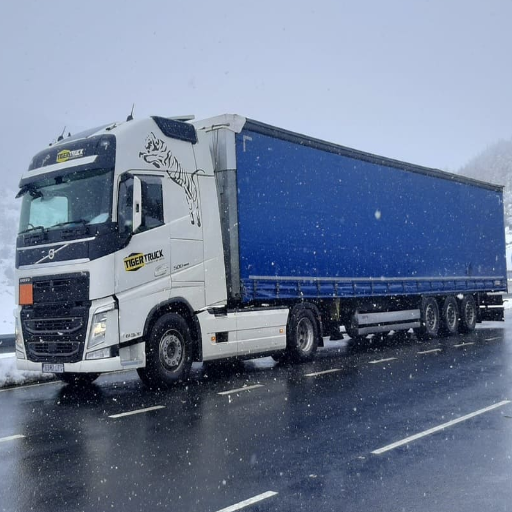
The 18 wheels on a tractor-trailer are arranged to secure proper weight support, stability, and maneuverability. The tractor generally utilizes 10 wheels, while the trailer has the remaining eight wheels. Their positions are primarily as follows:
- Tractor (10 wheels):
-
-
- Steer Axle (Front): The front of the tractor has an axle with two supporting wheels. This part steers and carries some of the trailer’s weight.
- Drive Axles (Rear): The tractor has two drive axles at the back of the vehicle. Each axle is connected to four wheels, for a total of eight wheels. These axles move the truck, especially when carrying heavy items.
-
- Trailer (8 wheels):
-
-
- Tandem Axles (Rear): On the back side of the trailer, there are four tandem axles with two wheels on each side. This feature allows the truck to have an even balance while driving and to carry more weight while staying stable.
-
These features are carefully combined to enhance the truck’s functionality while ensuring everything functions within the bounds of safety and legal road use standards.
Weight Distribution and Hauling Heavy Loads
My concern about heavy fleets’ weight distribution and movement dramatically depends on federal and state regulations for safety and efficiency. Optimal weight distribution along the axles is essential to avoid overloading while improving transit stability. For example, the maximum weight limit that can be put on a single axle is 20,000 pounds, while tandem axles tend to carry up to 34,000 pounds according to federal bridge law. The correct spacing between axles also contributes to proper weight distribution, and 48 to 60 inches spacing is the most favorable. GVWR is not supposed to exceed 80,000 pounds, which is common in most interstate highways. With these policies set, excellent load balancing becomes achievable, and proper tie-downs are used, leading to safe and efficient heavy hauling operations.
Straight Trucks vs Semi-Trucks: Key Differences
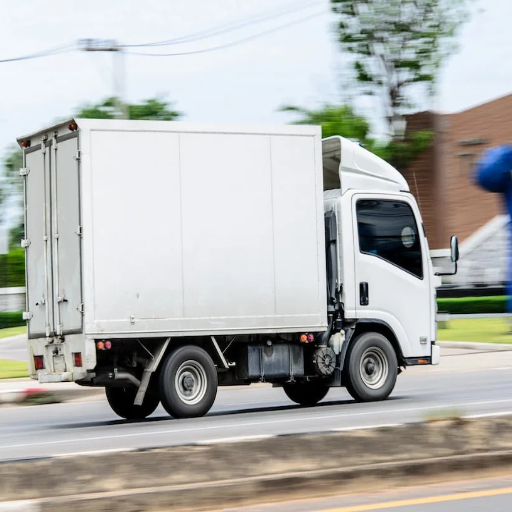
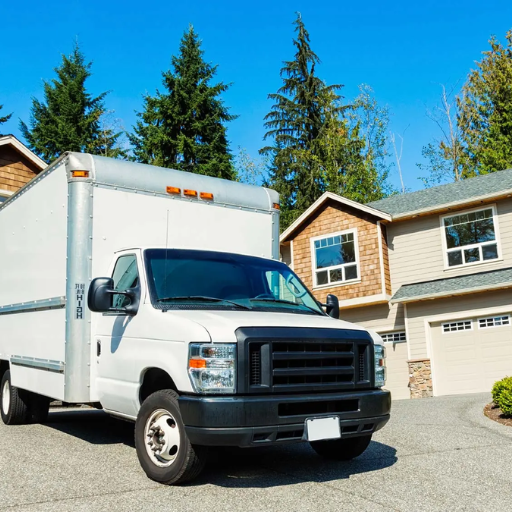
A straight truck’s design and application vastly differ from a semi-truck’s. A box truck, otherwise referred to as a straight truck, features a singular rigid structure in whcih the driver’s cabin and the cargo area are integrated. These truck types are common for local or regional deliveries because they are simpler to operate and meant for smaller shipments. On the other hand, semi-trucks consist of a trailer and a separate tractor unit, which are linked via a fifth wheel, offering nearly unrestricted flexibility. Regarding long-haul transport, semi-trucks are ideally equipped to handle heavier and larger loads than straight-bodied trucks, thanks to their modular design and increased towing capacity. The type of freight, distance requirements, and operational considerations largely influence the choice of truck.
What Defines a Straight Truck Compared to a Semi
The differences between straight and semi trucks come from their design and typical uses. In a straight truck, the cargo area and cabin are a singular unit, which makes it ideal for smaller loads and local deliveries. Therefore, its purpose is a singular rigid frame. In contrast, semi-trucks have separate tractor units and trailers linked via a fifth wheel, allowing larger loads over long distances. When comparing the two, the type of freight, the distance, and the specific logistic requirements will dictate which is more appropriate.
Advantages and Limitations of Each Type of Vehicle
Straight Trucks
Advantages
- Ease of Maneuverability: Straight trucks are more compact and easier to navigate in urban, congested areas, making them highly suitable for local deliveries.
- Lower Operating Costs: Because of their smaller size, straight trucks consume less fuel than semi-trucks, reducing operational expenses.
- A Commercial Driver’s License (CDL) is Not Required in Some Cases: Depending on the truck’s weight, a CDL may not be required, which eases regulations on drivers.
- Quick Loading and Unloading: The design makes access to the cargo much more manageable, resulting in faster turnaround times due to speedier loading and unloading procedures.
Limitations
- Limited Cargo Capacity: The payload limit is 10,000 – 26,000 lbs, lower than that of other types of trucks, restricting them to smaller loads.
- Shorter Range: These trucks are not optimized for long-haul transportation due to their smaller fuel tanks, less comfort for the driver during long trips, and limited space.
Semi-Trucks
Advantages
- High Cargo Capacity: When fully loaded, Semi-trucks can carry up to 80,000 lbs of cargo, which is ideal for heavy and bulk shipments
- Flexibility in Load Types: These trucks have a detachable trailer, allowing them to transport countless types of cargo, such as flatbed, refrigerated, and even tanker loads.
- Designed for Long Distances: Semi-trucks possess tremendous long-haul capabilities due to their increased fuel tank, driver comfort, and engine power.
Limitations
- Higher Operating Costs: Compared to straight trucks, this class of vehicles has higher fuel and maintenance costs.
- Require CDL and Training: Specialized licenses and training are mandatory because of the vehicle’s size and intricacy.
- Reduced Maneuverability: Semi trucks are heavier and more challenging to navigate in an urban area’s confined streets than other vehicles.
Understanding these advantages and limitations helps ensure the correct vehicle is selected based on the specific freight, distance, and operational requirements.
Common Questions About Semi-Trucks and Trailers
- What licenses and training are required to operate semi-trucks?
Training for operating a semi-truck begins with obtaining a Commercial Driver’s License (CDL) and specialized training for oversized vehicles.
- How is the cargo capacity of semi-trucks different from straight trucks?
Semi-trucks have a larger cargo capacity, with a maximum GVWR of 80,000 pounds, while straight trucks have a maximum GVWR of 10,000-26,000 pounds.
- What are the fuel efficiency differences between straight trucks and semi-trucks?
The straight truck’s fuel efficiency per mile is higher, as it averages 10-12 MPG, compared to semi-trucks, which range between 5-8 MPG due to their size and weight.
- Why are semi-trucks challenging to maneuver in urban areas?
Semi-trucks are significantly longer, averaging 70-80 feet, including the trailer, and have less agility, which makes them unfit for more narrow and confined city spaces.
- What factors determine the choice between a straight truck and a semi-truck?
These factors include the type and amount of cargo to be transported, the distance to be traveled, and other operational needs such as rural versus urban access.
Why Trucks and Tractor Trailers Are Built Separately
The primary consideration that leads to the construction of trucks and tractor-trailers as separate entities is flexibility. A different sort of trailer can be mounted based on the type of cargo being transported, and when the tractor and trailer are designed as two separate units, it becomes easier to swap out one for the other. This modular setup, in addition to maximizing efficiency and reducing idle time for operators, also improves productivity. Moreover, semi trucks can bear much more extensive and heavier loads than straight trucks, which makes them better suited for long-distance freight transportation. Nevertheless, semi-trucks are less suited for urban environments due to their size and turning radius. Conversely, straight trucks are more maneuverable and practical in tight spaces. Specific operational goals and the available resources will determine the most appropriate option.
How to Identify Different Types of Trucks on the Road
Analyzing the truck and heavy vehicle traffic design features tells us how to differentiate different types based on their design, size, and certain functions they are meant to serve. The most important types include:
- Semi-Trucks and Tractor-Trailers
This combination set of heavy vehicles is the most common when referred to as a tractor unit (engine-powered cab) with detachable trailers. These trucks usually have eighteen wheels, which makes them capable of hauling large amounts of freight. They also seek a distinct coupling mechanism connecting the tractor and trailer.
- Straight Trucks (Box Trucks)
Box trucks, or straight trucks, have a single chassis frame that incorporates the cab and cargo area. Due to their compact nature, these trucks are easy to use in urban areas and aid in local moving services and deliveries.
- Flatbed Trucks
Flatbed trucks have an easily recognizable open design, including an empty trailer bed without sides or a roof. These trucks transport large items such as construction materials or machinery.
- Tanker Trucks
One of the most recognizable vehicles is the tanker truck, which transports liquids. Its cylindrical tank design makes it unique and easy to identify. Tanker trucks can also have hazmat placards depending on the material they transport.
- Dump Trucks
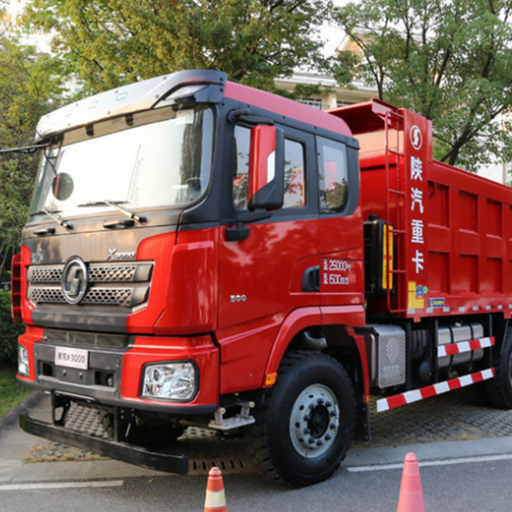
Commonly used in construction sites, dump trucks have an open box bed designed to tilt for unloading soil, gravel, and debris. Their modern hydraulic design and large, rugged tires make them easy to identify.
- Refrigerated Trucks (Reefers):
Trucks or trailers are altered to create reefer trucks that can transport perishable goods due to the cooling systems integrated into them. These trucks have the same design as box trucks, but the specific cooling units make them stand out.
Observing those features makes it easier to determine the kind of truck and its intended function while on the road.
What Makes Semi-Trucks Ideal for Long-Haul Transport
Modern trucks are preferable for long-distance hauling due to their efficiency, unrivaled durability, and economy of operations. Due to their potent engines and spacious trailers, they can move large, heavy loads over extensive distances. Also, semi-trucks are built to be fuel-efficient, and their fuel consumption is further improved by modern aerodynamics and advanced technologies that minimize drag and maximize mileage. Essential characteristics include payload capacities frequently surpassing 80,000 lbs (36,287 kg) and engines with 400 to 600 horsepower output. With its sleeper cabins, drivers have designated rest areas, which enables longer safe travel without compromising safety. These attributes make semi-trucks a key component of freight transportation.
References
Frequently Asked Questions (FAQ)
Q: What is the difference between a truck and a trailer?
A: A truck generally provides the power, while a trailer is a non-motorized vehicle towed by a car. The trailer is used to carry goods and is attached to the truck, forming a truck-trailer combination.
Q: What is a tractor truck?
A: A tractor truck, often called a tractor unit, is the truck’s part containing the engine and driver’s cab. It is designed to pull a trailer, making it a crucial component in combining a tractor and a trailer.
Q: How does a truck and a tractor differ?
A: The term “truck” can refer to different types of vehicles, while “tractor” refers to the powered unit that pulls the trailer in a truck-and-trailer setup. The tractor is the engine and control center, while the trailer is used for cargo transport.
Q: Why are they called semi trucks?
A: They are called semi trucks because the trailer has no front axle and is only semi-supported by its wheels. The front end of the trailer is supported by the tractor truck, making it a semi-trailer. The combination is often referred to as a semi-truck and its trailer.
Q: What happens during a truck accident involving a semi-truck and trailer?
A: In a truck accident involving a semi-truck and trailer, it’s important to note that the dynamics can be complex due to the size and weight of the vehicles. Combining a tractor and trailer can make handling and stopping more difficult, increasing the risk and impact of accidents.
Q: How many wheels do a typical semi-truck and its trailer have?
A: A typical semi-truck and trailer combination, often called an 18-wheeler, consists of a tractor unit with usually two axles and a trailer with two to three axles, resulting in 18 wheels.
Q: What is the role of the front axle in a tractor truck?
A: The front axle of a tractor truck supports part of the truck’s weight and plays a crucial role in steering and handling. It is part of the truck that helps distribute the load and assists in vehicle maneuverability.
Q: What is a commercial truck’s gross vehicle weight rating (GVWR)?
A: The gross vehicle weight rating (GVWR) for a commercial truck is the maximum weight a truck and trailer combination can carry. This includes the vehicle’s weight, passengers, fuel, and cargo. Understanding the GVWR is essential to ensure compliance with safety regulations.
Q: What are the various types of trailers used with tractor trucks?
A: Tractor trucks can use various trailers, including flatbeds, refrigerated trailers, dry vans, and tanker trailers. Each type serves a different purpose, depending on the cargo being transported.
Q: How do tractor-trailers differ from other trucks?
A: Tractor trailers are designed to haul larger loads over longer distances than other trucks. The key difference between a semi-trailer and other trucks is that it lacks a front axle, requiring a tractor unit to pull it. This creates a versatile and efficient system for transporting goods.