In the transport and logistics industry, knowing the dimensions of semi-trucks and trailers is essential and affects the functioning of the vehicles. Semi trucks and trailers play an integral role in the nationwide intermodal transport of goods. A proper understanding of these dimensions helps maintain the structural and operational safety of roads and the speed at which the trucks can maneuver. In this blog post, I will elaborate on the total length of a semi-truck and trailer. I will address primary measurements, variations by the class of truck and trailer, how the size regulations imposed on trucks alter their functionality, and the overall impact of the various limits in size imposed on trucks. By the end of this article, there is hope that the readers will appreciate the figures presented to them, but more so, the trucking industry as a whole.
What is the Standard Length of a Semi Truck and Trailer?
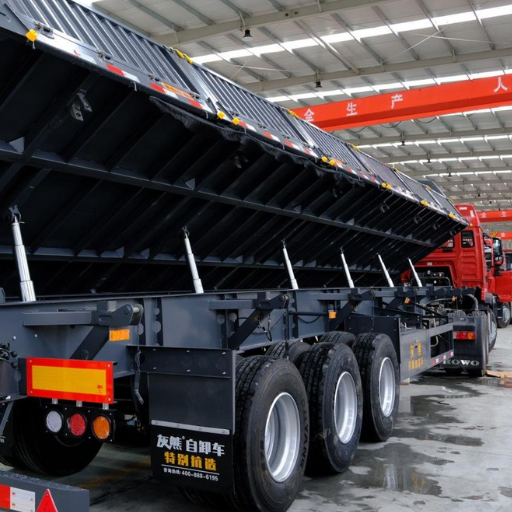
The distance a semi truck and trailer can travel is on average 70 to 80 feet, about the trailer in use. The truck, or also known as the tractor, measures around 20 to 25 feet and is usually coupled with 53 feet long dry vans or refrigerated trailers. However, some variations for specialized trailers such as flatbeds and double-deckers can have different dimensional variances to cater to other types of cargo. Different countries and states tend to devise their own laws regarding the size of the trailer and semi-truck, however, all semi-trucks must comply with the regulations set on the standard dimensions which control the safety and agility of the vehicle on the road balanced with space available for cargo.
How Long is a Semi Truck Without a Trailer?
Without a trailer, a semi truck’s cab or tractor is between 20-25 ft in length which differs by make and model. Technical parameters include:
- Length: 20 to 25 feet
- Width: Approximately 8.5 feet (102 inches)
- Height: Varies, but generally between 10 and 13 feet
- Weight (without trailer): Typically ranges from 10,000 to 25,000 pounds
The tractor unit’s size is optimally designed for independent operation while not restricting versatility across numerous trailer types for efficient cargo hauling.
What is the Overall Length of a Tractor and Trailer Combined?
The length of a tractor and trailer combined is between 70-80 feet, trimming down to the specific type of tractor and trailer used. For the case of semi-trucks, 53-foot trailers would set the length around 72 feet. This length increases with specialized trailers, bigger tractors with different regional rules, and so on. Local laws and industry standards should always be checked to ensure compliance with the restrictions.
How Trailer Length Vary Depending on Type of Trailer?
The type of trailer determines the measurement of the trailer.
- Dry Van Trailers: Used widely for general freight, these trailers tend to have a length of 53 feet. Step-down models like the 48-foot trailer also exist.
- Refrigerated Trailers (Reefers): These are often 53 feet long like dry vans, but compared to dry vans they have insulation alongside refrigeration units which reduces internal capacity.
- Flatbed Trailers: Range between unlike shape mountains, 48-foot and 53-foot flat bed would do the trick. Specialized versions tem like extendable flat beds, hit 80 feet and beyond.
- Step Deck Trailers: Commonly called drop decks, these trailers come 48 feet long and can extend further with specialized configurations. These two-level trailers are designed to carry taller loads that would not fit on standard trailers.
- Double Trailers: These are composed of two shorter trailers (often around 28 feet each). The combined length is roughly 56 feet (not including the tractor).
- Tanker Trailers: Designed to carry liquids or gases, tanker trailers usually fall between 42 to 48 feet in length depending on the product being carried.
The length may differ further due to regional policy differences, axle setups, and design changes made by the manufacturer. It’s crucial to check the particular length restrictions for each case to ensure compliance.
How Does the Type of Trailer Affect the Length of a Semi-Truck?
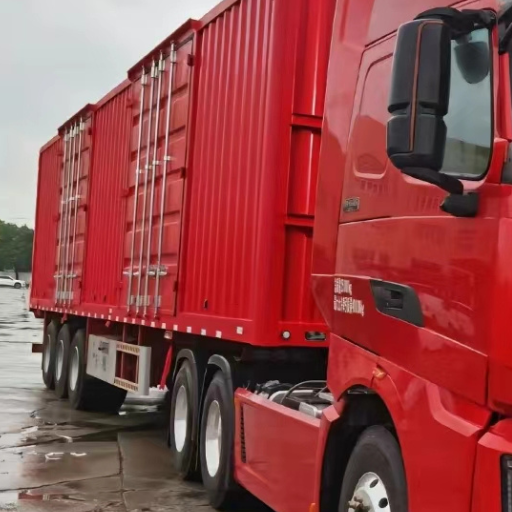
The semi-truck size is influenced by the type of trailer used. For instance, dry van trailers occupy between 48 to 53 feet while the flatbed is also within that range but has an extendable length for oversized loads. Tanker trailers, which are used primarily for transporting liquids, have an average length of 42 feet making them the shortest of the lot. Specialized trailers like double trailers or lowboys are extremely versatile in size to fit particular cargo like heavily or oddly shaped equipment. Every type of trailer has an appropriate use and based on the use, the dimensions of the trailer and semi-truck are determined.
What are the Standard Dimensions of a 53-foot Trailer?
A trailer that is 53 feet has interior dimensions of 53 ft in length, 8’6’’ in width and over 13 ft 6 inches in height. The exterior total width is slightly rounded to 102 inches. In addition to these measurements, the trailer holds an impressive 4,000 cubic feet of cargo space. To ensure that a 53-foot trailer is suitable for carrying items, features have been implemented to allow it to carry large and numerous items.
How Does a Flatbed or Reefer Trailer Impact Overall Length?
The type of trailer used flatbed and reefer has almost everything to do with the truck and trailer’s total length. And like the van trailers, flatbed trailer also transports items that are 48 to 53 feet long. Unlike the former, the latter’s flatbed trailers are specifically designed to allow for the easy loading and unloading of oversized or irregularly shaped items. Reefer trailers that also range from 48 to 53 feet are refrigerated units meant for transporting perishable goods. Unlike other trailers, specialized design features such as insulation that reduces space for cargo make the reefer trailer different. Remember however, regardless of the type of trailer, the total length of the truck and trailer combination is dependent on the tractor which is on average 10 to 20 feet wide. While these trailers serve critical functions for various regions of the economy, all of them must comply with legal restrictions both at the state and federal levels.
What are the Length Limits for Different Kinds of Trailers?
Length restrictions for different types of trailers vary depending on the trailer type and relevant state or federal laws. For instance, a standard semi-trailer’s federally allowable maximum length is 53 feet, while longer combination vehicles (LCVs) are sometimes allowed to go over this figure based on certain state allowances. Double trailers are also subject to regulation and each trailer is generally limited to 28 feet, referred to as 28-foot pups. Additional stipulations or restrictions may be placed by states, particularly for oversized or special purpose trailers. Compliance is imperative thus specific laws need to be checked when planning operations.
Why Do Dimensions Vary Depending on the Semi Truck Used?

A semi truck’s dimensions are flexible as the tractor used determines it. Different models are fitted with different wheelbases and cabs and axle structures which also alter the measurement. For instance, a sleeper cab tractor is typically longer than a day cab due to the additional space required for the sleeping compartment. Also, the positioning of the axle relative the the truck determines the turning radius and overall length which makes some tractors more suited to certain applications or types of trailers. Legal size limits are in place but these variations allow the diverse operational needs to be met.
How Does a Sleeper Cab Compare with a Day Cab?
A sleeper cab facilitates long-haul trips by providing a comfortable rest area. It generally comes with a sleeping compartment, storage, and sometimes even a small fridge or entertainment system. A day cab, in contrast, is compact and designed for short hauls since the driver returns home at the end of the shift. It does not come with a sleeping area.
Key Differences:
- Length: Sleeper cabs are longer due to the sleeping area, which can impact turning radius and maneuverability.
- Weight: Sleeper cabs are heavier because of additional structures and amenities, affecting payload capacity slightly.
- Comfort: Sleeper cabs prioritize driver comfort for long trips, while day cabs focus on practicality for short hauls.
- Applications: Sleeper cabs are ideal for cross-country or long-distance routes, whereas day cabs are suited for local or regional transport.
By understanding operational needs and factoring in technical specifications, fleet managers can choose the appropriate cab type to maximize efficiency.
What Role Does the Tractor Unit Play in Total Length?
The tractor unit is a crucial determinant of the total length of a trucking configuration as it sets the front-end parameters and the coupling connections to the trailer. The overall length of the vehicle, its sides, propelling units, and systems for steering and transforming movement all depend on the length of the tractor unit; this interdependence will create a controllable layout that meets legal size regulations. In practice, tractor units are custom-built to suit purposes within the control limits, balancing placement of the engine, size of the cabin, and chassis arrangements.
- Typical Length: Depending on the design and the type of cab, that is, sleeper cab or day cab, the range for tractor units is accepted to be around 18 to 25 feet (5.5 to 7.6 meters).
- Wheelbase Options: Coupled with the overall length and weight distribution of the unit, the configuration of the wheelbase plays a significant role. Shorter length wheelbases increase maneuverability while longer ones are beneficial for stability under heavy load.
- Coupling Systems: The fifth wheel coupling offers flexibility in connecting to different lengths of trailers for fleet freedom under length maximums.
- Impact on Total Length: Total vehicle length increases beyond 70 feet while accounting for the size of US trailers, which can be 48 feet or 53 feet, thus, the dimensions of the tractor will need to be very precise to meet regulations regarding the use of highways legally.
Selecting the correct tractor unit also involves determining its impact on the vehicle’s overall length, as well as operational and regulatory efficiencies.
What are the Maximum Length Limits for Truck and Trailer on Highways?
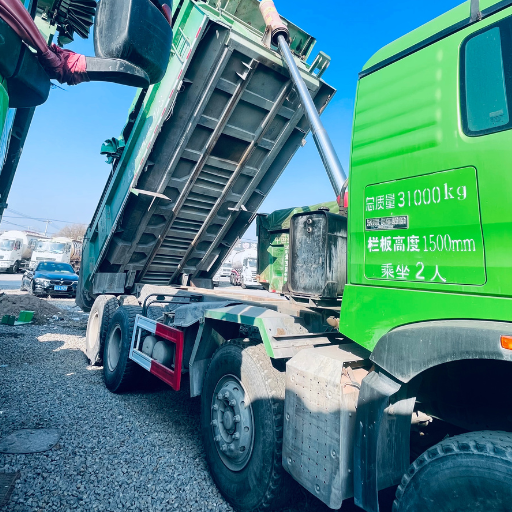
Countries, states, and regions may place different maximum length limits for trucks and trailers using their highways. In the US, a federally recognized semi-truck and trailer combination has a maximum length of 53 feet, the trailer’s length. There is no overall length limit for the tractor-trailer unless defined by the state’s law. However, certain states may impose restrictions on double and triple-trailer combinations. Drivers and operators need to know local rules to remain compliant, especially when dealing with inter-state or international borders.
How Does State Regulation Impact Length Limits?
State regulations constrain the length limits by setting specific criteria that may differ from the federal ones. For instance, California limits the overall length of tractor-trailers to 65 feet on some routes while federal law allows a maximum trailer length of 53 feet. Further, some other states may cap the length of double and triple trailer combinations based on the type of road or area. Some of the key technical parameters include:
- Maximum Trailer Length: Consistently 53 feet federally, but can be set shorter based on state laws, such as 48 feet in specific cases.
- Overall Length Limits: The combination, encompassing the tractor and trailer, is set by some states to 65 feet.
- Double and Triple Trailers: A limit is often placed on the length of individual trailers to 28 feet each, depending on if the road in question is an interstate highway or a state highway.
- Kingpin-to-Rear-Axle Distance: Controlled by states like California whereby this distance is capped at 40 feet to enhance maneuverability.
Drivers need to check the laws relevant to them and follow the road signs where they cross into different jurisdictions.
What is the Overall Length Limit for tractor-trailers on Interstate Highways?
The length limit for tractor-trailers on interstate highways is usually set by federal laws which mandate that a minimum overall length of 48 feet for a single trailer and 28 feet per trailer on double configurations be allowed per vehicle by the states. Also, many states allow even bigger lengths, with some having 53-foot trailer length constraints. The fed limits do not set a maximum limit for the combination of the tractor and trailer, while there is no law set for the trailer portion length limits. Be sure to verify specific rules for your state as there may be other restrictions or exceptions since some states have different rules depending on the class of the road or local policies.
How Do Trucking Companies Optimize Trailer Length?
When optimizing trailer length, we take into consideration balancing capacity, adherence to regulations, and operational efficiency. We first make sure that all our trailers are compliant with federal and state laws to prevent any fines or interruptions to business activities. Secondly, we study the volume of freight and types of loads to optimize space utilization while minimizing empty miles. Furthermore, we harness the power of advanced logistics planning software to pre-schedule routes, and where applicable, make use of adjustable trailers. We customize our operations to the specific needs of our clients and this aids in the safe and economical movement of goods.
How Do Truck Drivers Measure and Maintain Truck and Trailer Dimensions?

Drivers and their helpers calculate the dimensions of their trucks and trailers using measuring tools like tape measures, digital measurement tools, or laser tools to check for compliance with regulations. Measurements are generally taken at strategic points such as the overall length, width, and height of the vehicle. To maintain the vehicle, a routine check to ensure that add-ons, modifications, or cargo do not exceed any stipulated limits must be put in place. It is also the driver’s responsibility to ensure that they are kept current with the legal requirements of any state or region that they operate within so as to shield themselves from facing legal sanctions. Moreover, compliance to these laws is often checked at designated weigh stations and inspection sites where these parameters are verified.
What Techniques are Used for Understanding the Dimensions of a Semi-Truck?
When it comes to a semi-truck’s dimensions, I always make sure that the tools and methods I use for measuring are accurate and compliant with industry standards. To begin with, I use measuring equipment such as tape measures, digital measuring devices, and laser distance meters to find the semi’s basic dimensions like length, breadth, and height. For additional details, I check the vehicle’s manual or manufacturer’s documents since these give accurate technical details. Other checks that I do are to confirm that I am not exceeding gross vehicle weight ratings (GVWR) and axle load limits to check compliance with overriding laws. Some common measurements that I have on record are a maximum trailer length of 53 feet, width of 8.5 feet, and height that is usually 13.5 feet. These values, however, depend on the particular state or region. To further enhance my accuracy, I use weigh station measurements and routinely inspect the truck for any changes in size or alterations that may affect the performance.
How is Truck Repair Related to Maintaining Dimensions?
Maintaining the structural dimensions of a truck is crucial as any repair that is done may damage the alignment, height, or size of the truck, making it noncompliant and unsafe for the road. An example of this would be the suspension problems which affect the height of the truck and damage done to the trailer which changes the width and length. The repairs to be made to maintain the legal and functionality limits deal with:
- Suspension System: Adjustments or repairs allow the trim of the suspension to ensure that it maintains a height of approximately 13.5 feet.
- Axles and Tires: Tire health and alignment allow the truck to maintain the preset width through proper (typically 8.5 feet) positioning).
- Frame and Trailer Body: Structural repairs ensure that the deformation is avoided while maintaining the shape, length and width of the trailer (commonly 53 feet).
Scheduled maintenance and repairs aid greatly in ensuring performance is optimized while avoiding compliance and safety issues through the retention of original specifications.
References
Frequently Asked Questions (FAQ)
Q: What is the average length of a semi truck with a trailer?
A: The average length of a semi truck with a trailer is around 70 to 80 feet, depending on the type of truck and trailer used. This measurement includes the truck tractor and the semi trailer.
Q: How long is a semi truck without a trailer?
A: A semi truck without a trailer, often referred to as the semi truck cab or tractor, typically measures between 20 to 25 feet in length. This can vary depending on the specific model and type of truck.
Q: What is the maximum length of a semi truck with a trailer?
A: The maximum overall length of a semi truck with a trailer, as regulated by the Department of Transportation, can be up to 80 feet long. However, this can vary depending on state regulations and road conditions.
Q: How much does a semi truck weigh?
A: The weight of a semi truck can vary based on the type of truck, trailer type, and cargo. On average, a semi truck with a trailer can weigh anywhere from 35,000 to 80,000 pounds when fully loaded, adhering to federal motor carrier safety weight limits.
Q: What is the length of a 53′ trailer?
A: A 53′ trailer is a common length for commercial trucks in the U.S. and is typically used to maximize cargo space. When a 53′ trailer is attached to a truck tractor, the overall dimensions can reach up to 80 feet long.
Q: What factors determine the overall dimensions of a semi truck?
A: The overall dimensions of a semi truck rely on several factors including the type of truck, the length of a trailer, and whether any special permits are required for oversized loads. Equipment experts can offer guidance on specific configurations.
Q: Are there weight limits for semi trucks?
A: Yes, semi trucks must adhere to federal and state weight limits. The maximum weight generally allowed without special permits is 80,000 pounds for both the truck and trailer combined.
Q: Do different trailer types affect the length of a semi truck?
A: Yes, different trailer types can affect the overall length of a semi truck. For example, a flatbed trailer might have different dimensions than a refrigerated trailer, leading to variations in the maximum overall length.
Q: How are semi truck sizes regulated on U.S. roads and highways?
A: The Department of Transportation regulates semi truck sizes to ensure safety and efficiency on roads and highways. Regulations include maximum length, weight, and width, and can vary depending on the state and specific roads.
Q: Where can I find more information on semi truck dimensions and regulations?
A: For more detailed information on semi truck dimensions and regulations, it’s important to note that the Department of Transportation and state-specific transportation agencies provide resources and guidelines. Don’t hesitate to reach out to these organizations for assistance.